
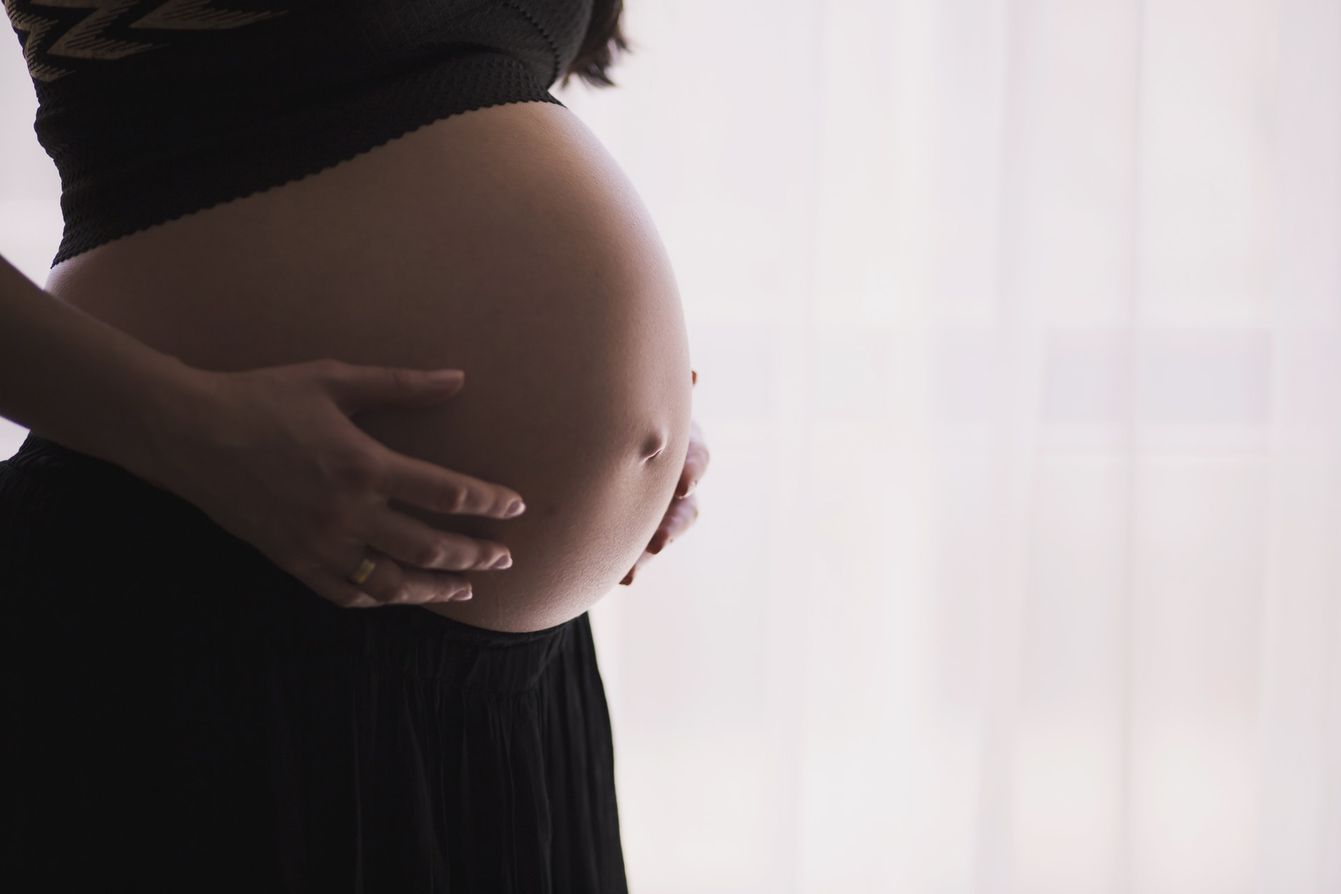
When it comes to having babies there’s a wealth of information out there and a whole bunch of opinions. Most mums are well-educated these days and capable of making informed decisions about how they’d like to give birth. But each option carries its own potential risks as well as benefits.
Read on to find out the pros and cons of vaginal delivery and caesarean delivery, and why it’s important to be informed about all your birth options.
Natural birth
Natural birth, also known as vaginal birth, is the process of delivering a baby through the birth canal without medical interventions such as those used in a caesarean section. It involves the onset of labour, dilation of the cervix and the baby’s descent through the birth canal, culminating in delivery.
A vaginal delivery is the way women were designed to give birth. The female anatomy, including the uterus and pelvic muscles, supports nurturing and guiding the baby through the birth canal. Women’s hips are naturally wider, their pelvises flatter and wider than men’s to allow the baby to pass safely.
Pros
Passing through the birth canal can “kickstart” a baby, particularly improving chances of normal breathing and covering the newborn with beneficial bacteria, supporting immune function and gut microbiome health.
For mums, contractions can promote milk flow, aiding breastfeeding. Immediate skin-to-skin contact after birth regulates the baby’s heartbeat and breathing, and strengthens bonding. Oxytocin released during skin-to-skin contact benefits both mother and baby, helping to reduce postpartum pain and blood loss, and supporting emotional wellbeing.
Other advantages of vaginal birth include shorter hospital stays, reduced need for pain medication and quicker recovery. Women can return to normal life sooner and care for their baby more easily.
Cons
Delivering naturally may sometimes end in an emergency caesarean if the baby’s head is in the wrong position, the umbilical cord is compressed or the baby is stuck. This can cause stress and anxiety, potentially making the experience traumatic for mother and baby.
Natural birth can also result in tearing, requiring rest and recovery. Pre-existing health issues or a high-risk pregnancy (such as autoimmune conditions, obesity, diabetes, high blood pressure or carrying multiples) may make a C-section safer.
Caesarean delivery
A caesarean delivery, or C-section, is a major surgery involving a low transverse incision (cut) in the lower uterine (womb) segment. The uterine incision is made to allow for the baby and placenta to be delivered through. The scar is usually just above the pubic hairline. It bypasses natural contractions and maternal pushing. The baby’s head will come out first in a C-section.
Usually, local anaesthetic allows the mum to be awake and present, but general anaesthesia may be used in emergency situations or if a spinal block fails.
An elective caesarean section (planned caesarean) may be performed if the mother has chosen this based on the recommendations of her doctor or healthcare team for the health of mum and baby. In some cases of natural birthing, complications arise that require an emergency caesarean.
Pros
A C-section is sometimes necessary for medical reasons or high-risk pregnancies. Examples include:
- Placenta praevia or low-lying placenta
- Breech or transverse position of the baby
- Umbilical cord compression or prolapse
- Multiple pregnancies
- Other serious complications
A C-section is the way to go when there are serious complications that pose a life-threatening risk to mother or baby. An elective caesarean section can be scheduled for known complications or multiple births. This allows the family to plan and have things ready, which can help reduce anxiety.
Cons
A caesarean birth carries potential risks common to major operations, including infection, blood loss, blood clots and reactions to anaesthesia. There can also be complications involving the bladder flap, which can cause infection. The bladder flap is the layer of the bladder and nearby tissues that the surgeon gently moves out of the way during a C-section. This helps protect the bladder from being accidentally injured when the lower part of the uterus is cut and then stitched back up.
In some cases of severe complications, general anaesthesia may be required, such as during an emergency C-section. This can make the overall experience less pleasant for both mum and baby, and may result in them being separated for a longer duration.
The mother will experience pain and limited mobility for several days, especially in the first 24 hours. She will also need to wear compression stockings and be on strong pain relief. Mothers cannot drive or lift anything heavier than their baby for the first six weeks. Some mums can experience difficulty tolerating general anaesthetic or have reactions to it.
Because a C-section is a surgical procedure, the mother is required to sign a consent form beforehand. This step can add to her stress, especially given the risks involved and concerns about possible infection.
An operating room is busy, with many healthcare professionals, including obstetricians, anaesthetists, nurses and assistants, all ensuring safety. Typically, only one support person can accompany mum during the procedure.
Following a C-section, the mother may spend time in the recovery area, separated from her newborn, delaying skin-to-skin contact. The procedure requires careful attention to the abdominal wound to prevent infection or reopening. The recovery room can be an isolating experience for mums wanting to get back to their baby.
Future pregnancies may carry an increased risk of complications such as placenta accreta, uterine rupture, low-lying placenta or difficulties with vaginal birth after a C-section. There can also be changes to the rectus muscles in the abdomen, sometimes leading to separation that may require targeted exercises or, in some cases, surgical repair.
Making the decision
Should you deliver your baby via caesarean section? Every pregnancy is different. Consider your safest option, possible complications and emergency situations with your healthcare provider. Discuss your history of major surgery or previous caesarean births, and any medical reasons that might influence delivery.
Being informed ensures the choice supports the health of both mum and baby. Planning ahead, maintaining good health before conception and having a strong support person can reduce risks and improve outcomes.