


Ever wondered how many friends you actually need to feel connected and supported? Let’s talk about real friendship and what truly matters.
Scroll through your social media platforms and you’ll see plenty of people with over 1000 friends or followers. It might make you feel like you don’t have enough and that you should be befriending people online every chance you get. The question is, how many of those will be truly close friends—the ones you actually talk to, share your life with or call when things get tough?
In our digital age, we’ve built larger social networks than ever before, but many of those connections are just online friends, not meaningful relationships or people we actually journey through life with.
For mums, navigating friendships can feel even more complex. Between family schedules, kids and the demands of daily life, our social circle shifts dramatically.
So what’s the optimal number of friends we really need for a good life and is it a smart idea to try to have lots of them?
The science behind how many friends we can have
Oxford University professor and psychologist Robin Dunbar studied how many people we can realistically maintain relationships with. His research, often called Dunbar’s number, found that humans can only manage about 150 meaningful connections at once. This isn’t just about Facebook friends or group chats; it’s about people we genuinely know and interact with in our social lives.
But Dunbar broke this number down further into smaller, nested layers, reflecting different levels of emotional closeness and time investment:
- 3–5 people: Your close circle, those you talk to and interact with daily or almost daily. They’re your close friends, your lifeline during difficult times, the ones you trust completely. The people you share your highs and lows with, laugh and cry together.
- 10 good friends: People who still affect your life deeply. You’d be devastated if something happened to them, but they aren’t your bestest friends.
- 35 casual friends: Those you might see at work, school events or your kids’ activities, people you know a bit about but aren’t fully in your inner world. These could be the mums you chat with each week while watching your kids play soccer.
- 100 acquaintances: The rest, family members, old classmates and people you keep loosely connected with through social media.
That makes up Dunbar’s 150-person limit, the ideal number of meaningful connections most of us can comfortably sustain.
In the video below, psychologist Collett Smart discusses how many friends you actually need and the answer might surprise you!
Age, stage and personality affect our friendships
Your friends group in high school was probably a larger circle. If it wasn’t, you felt left out and certainly not cool. If you were anything like most kids, you cared more about fitting in with a larger group and having lots of friends to share your social life with. In your 20s, quantity might have mattered more, with late nights out, group chats buzzing and larger social networks filled with new friends and shared experiences. The more friends, the better.
But as we grow older, especially in our 30s and beyond, our priorities shift. Friendships become more about quality than quantity. We begin to value close relationships that bring emotional support and life satisfaction over maintaining a large number of casual friends.
And that’s perfectly normal. As a Pew Research Centre study noted, adults in midlife tend to have a smaller circle of close friendships but report higher life satisfaction because those relationships are deeper and more stable.
Our personality also plays a role. Extroverts may crave a larger circle of people and thrive on constant connection. Introverts, meanwhile, often prefer a small circle of close friends who bring calm and trust. Neither is wrong. It’s about recognising what fits your life best.
Friendships require energy and time
Friendship isn’t a passive thing. Real relationships take energy, emotional availability and most importantly, time. Every person has only so much to give.
When you become a mum, that time and energy get divided between children, family members, work and home life. It’s natural for your social network to shrink. Some friends will drift away; others might move from your close circle to your casual friends layer. That doesn’t mean the friendship failed. It just evolved with your life.
As your social lives change, you inevitably redistribute your attention. If you try to maintain a larger group of friends, you spread your emotional energy thinner and that can leave you feeling drained.
Is it bad if I only have two close friends?
Not at all. Some people feel perfectly content with one or two close friendships. You might not have a larger circle anymore and that’s completely okay.
Your close friends are the ones you share your highs and lows with, who text to check on you, who know when you’re struggling. Even if that’s just one good friend, that connection can make a massive difference to your mental health and overall life satisfaction.
Psychologists agree that having meaningful connections, even with a small number of people, is one of the strongest predictors of a good life. It’s not about how many friends you have, but whether you have at least one person who truly gets you.
Friendship and wellbeing
Friendships aren’t just nice to have; they’re essential for emotional and physical wellbeing. Strong close relationships buffer stress, reduce loneliness and support better mental health.
According to the Pew Research Centre and other studies, people with supportive friend circles report higher happiness levels, less anxiety and even longer lifespans. A good friend offers emotional support during difficult moments and celebrates with you during the good times.
So, don’t make the mistake of trying to skip out on friends because you have no time or energy. You don’t need five or even two, but you should at least have one close, safe and healthy friend who you can do life with.
For mums, that emotional support can be life-changing. It might be the person who drops off the kids at school when you’re sick or the one who listens without judgement when you’re struggling to balance it all. Those close friendships remind you that you’re not alone and that connection is one of the best forms of self-care.
Building (or rebuilding) your friend circle
If you’ve looked around and realised your close circle has shrunk, don’t panic. It’s never too late to find new friends. Here’s how to be intentional about building meaningful relationships:
- Assess your social network. Think about who’s in your close circle, friend group and casual friends. Knowing where people fit helps you invest your time wisely.
- Be okay with a small circle. Don’t measure your friendships by the number of people you know. Two good friends might fill your life more than 20 casual friends.
- Nurture what you have. Send that message, schedule that catch-up or reply to that text you’ve been putting off. Consistency builds close relationships.
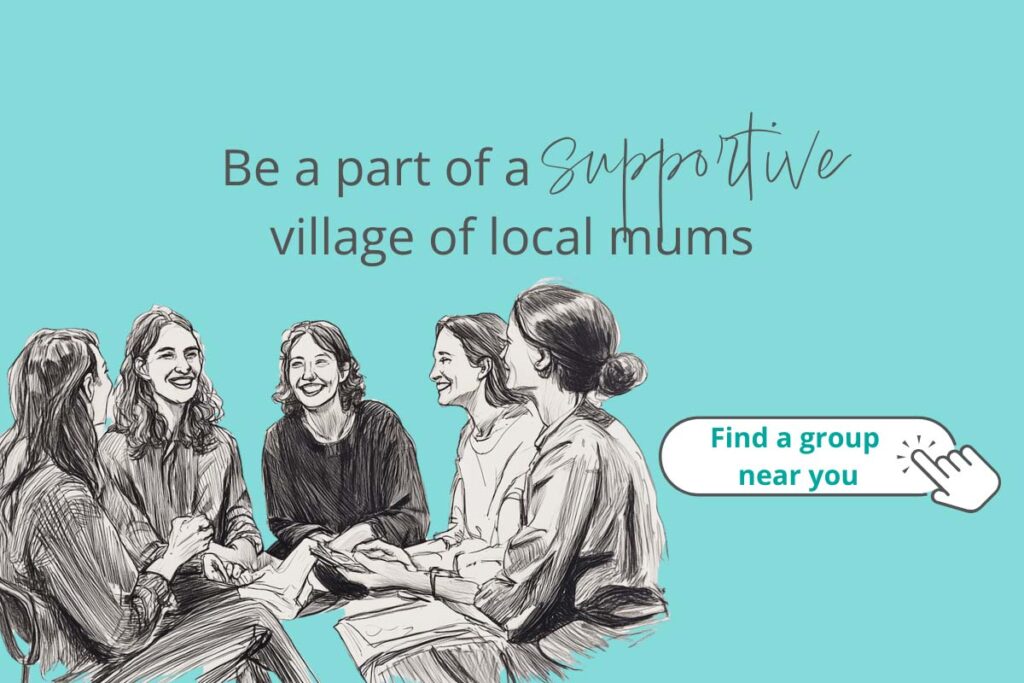
- Say yes to opportunities. Attend that mums’ meet-up, join a playgroup, volunteer or reconnect with someone from high school. Every person you meet could be the start of a meaningful connection.
- Accept that friendships change. Some friends will move away or drift as life changes. That’s natural. Focus on the ones who show up and on being that good friend for others.
Quality over quantity
Ultimately, friendship isn’t a numbers game. Whether you have one good friend or a larger social network, the secret is quality. True close friendships bring trust, laughter and stability.
Your social circle doesn’t have to look like anyone else’s. For some mums, the ideal number might be a larger circle of people who energise them. For others, a small circle with just one or two close friends feels perfect.
Friendship is about meaningful relationships that make life richer, not busier.
Frequently asked questions (FAQs)
Q: How many close friends do I really need?
A: There isn’t a magic number. Research suggests most people can maintain about 3–5 close friendships in their inner circle. Some mums thrive with just one very good friend, while others prefer 4–5. The key is the quality of the friendships, not the quantity.
Q: Does friendship change as I get older?
A: Yes, it can do. In your 20s, you may have a larger circle of friends and casual friendships, but by your 30s and beyond, your small circle of close friends usually matters more. Life stage, personality and time constraints influence the friendships you maintain.
Q: Why are friendships important for wellbeing?
A: Friendships are a lifeline, especially as a mum. Having someone to laugh with, vent to or share the little wins can make all the difference. They remind you you’re not alone—and that there’s still life (and joy!) outside motherhood.
Q: What if I’ve had bad experiences making friends?
A: It’s normal to feel hesitant if past friendships didn’t go well, but you can still build meaningful connections. Take it slow, focus on kind and supportive people, and try small steps like joining a mums’ group or reaching out to someone new.
Read next: How do we make friends?
How many friends do we really need?