
The name Sophie Delezio is one many Australians know well. From the time she was just a child, her story of survival touched hearts around the world. Twice involved in catastrophic accidents, first at a childcare centre and later when a car hit her while crossing the street, Sophie has endured severe injuries that most adults can only imagine, let alone a little girl.
Her resilience, her family’s unwavering love and her mission to transform trauma into purpose have made her a national symbol of courage. Today, Sophie is using her voice to help parents and children learn about disability, break down barriers and create a more disability-friendly, accessible world.
From tragedy to survival
Sophie’s life changed forever at two years old when a car crashed into the Roundhouse Childcare Centre in Sydney. The burning car started an inferno while the children were sleeping, causing Sophie to suffer third-degree burns to much of her body. She also had a broken jaw, numerous rib fractures, damage to her right ear, right hand and left lung, and suffered a heart attack. For months, she fought for her life, at times relying on life support, while the Delezio family rallied around her.
Doctors were unsure if she would survive the extent of her severe injuries, let alone thrive. Yet Sophie defied the odds. Over the years that followed, Australians watched in awe as she not only survived but grew into a child with a spark that no tragedy could extinguish.
Tragedy struck again when she was just five years old. Struck by another car near her school, Sophie sustained a brain injury and further injuries that required intensive treatment. Despite all this, she has continued to pursue life to the fullest.
Over time, Sophie grew into an articulate, determined young woman. She openly shares about her experiences, not only to highlight the challenges of living with disabilities but also to celebrate the beautiful moments that can emerge from resilience and love.
Recently, I had the privilege of interviewing her. It was a really special moment for me as I had followed her story since I was 10 years old. She has been someone who has deeply inspired, challenged and motivated me.
Sophie’s mission on life, love and parenting
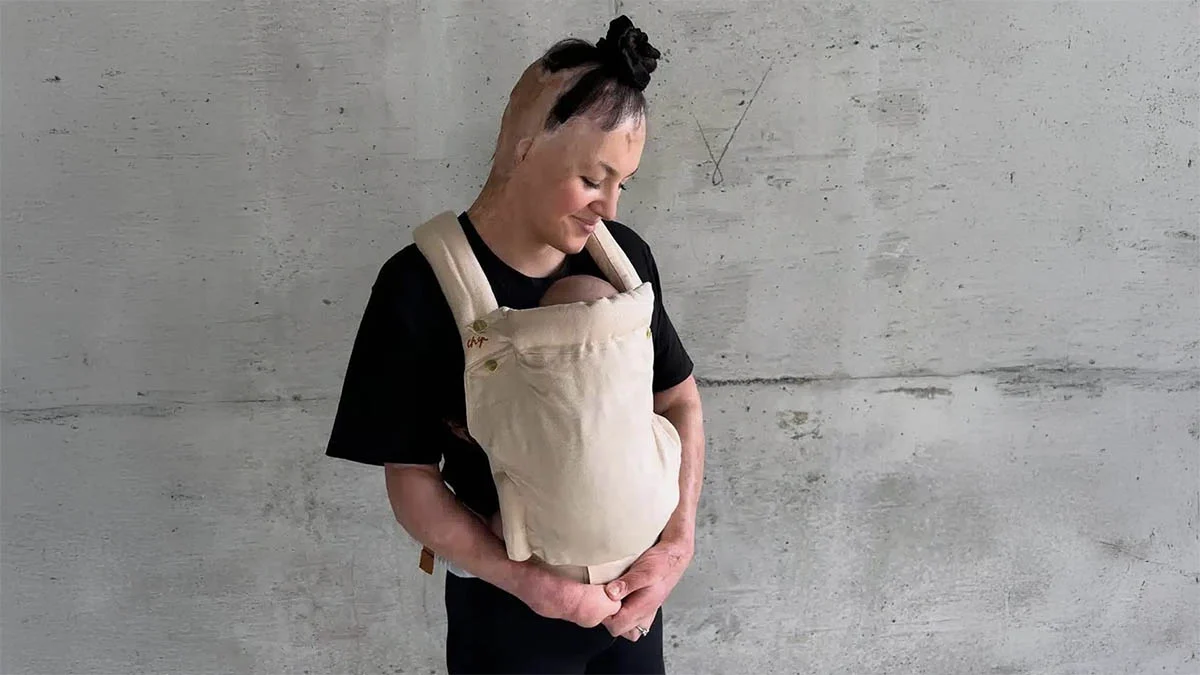
Today Sophie’s personal life is filled with love, family and purpose. Her husband, Joseph Salerno, is her best friend, and they celebrated their special day at the beautiful Anambah House in Sydney in early 2025. Together, the couple has built a strong relationship and an adorable little family.
Sophie recently became a mum, giving birth to her son Frankie.
“What matters is love and happiness, and sharing that with the people you care about. Becoming a mum, you can have all the toys, you can dress them in the fanciest clothes or you can literally let them run around in a nappy, and they’re going to have the best time regardless,” Sophie shared. “You don’t need much in life to feel utterly and completely fulfilled. It’s just these slow little moments that make life worth living. It took me becoming a mum to understand that.”
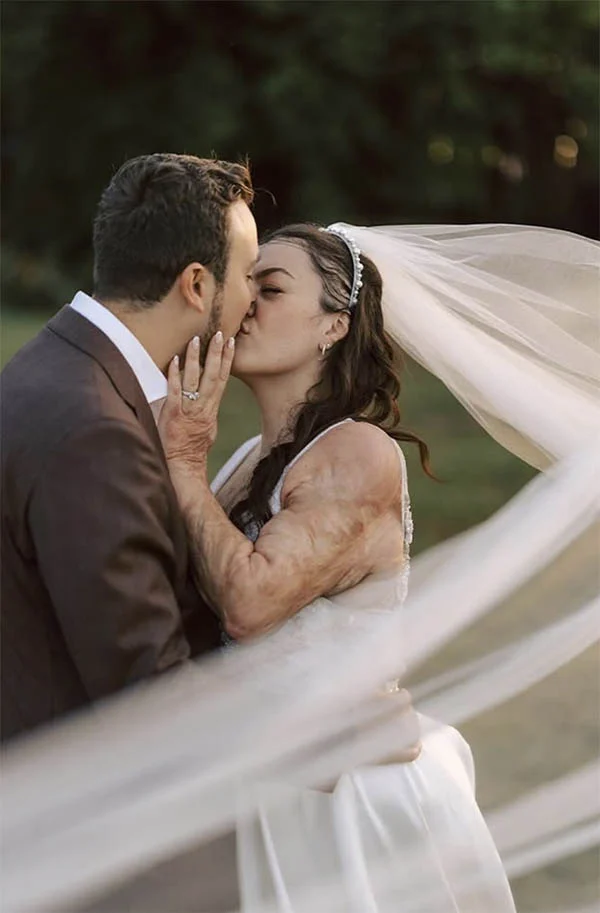
I asked Sophie if she ever thought her current life would have been possible after everything she went through when she was younger.
“Some people call me stubborn, but I call it living,” she said. “When you discuss fertility, no-one really knows the journey they’re going to be on until they start trying. It can be one of the most beautiful or heartbreaking experiences. Going into this, there was a lot of uncertainty, but I’ve never liked to put too much pressure on certain situations. Going into this experience, I just wanted to live it without the thought and pressures of ‘what if’. I just wanted to wait and see what happened.”
Watch our full interview with Sophie Delezio where she reflects on her life and what it means to be a mum.
Surprisingly, Sophie revealed that her greatest fears for her son have nothing to do with her childhood or the tragedy she experienced, but about the world he will live in.
“I’m trying to prepare Frankie with the necessary skills, mindset and support for when the challenging stuff does happen, he has the ability to handle it in the best way he can,” she said. “I feel that if I’m protecting him too much from the fear of things, I don’t think he will learn how to cope with it. I’m not going to waste the good moments fearing about the bad things that could happen.”
Let your kids ask the questions
What stands out most about Sophie is not just her survival, but her vision for the world. She knows firsthand how society often overlooks accessibility and how people with disabilities can feel excluded. Instead of turning inward, Sophie has chosen to dedicate her energy to teaching others, especially children, how to understand and interact with those who are different.
“I hope that my experiences teach a new generation how to accept disability,” she said. “The mantra I live by is that if you can change one person’s mind, that person can then go on to change another person’s mind. The domino effect of that is far greater, in my opinion, than anything else.”
Sophie spoke openly about the challenges people with disabilities face when trying to do simple things like shopping, eating out or going to the bathroom. She has found many shops, venues or locations aren’t suitable for wheelchairs; nor are they easily accessible for the deaf or vision-impaired. The day-to-day conveniences that we take for granted just to run simple daily errands can be someone else’s big struggles.
“There’s a big gap in the education system when it comes to the acceptance of people with a disability. There’s often ignorance, where children aren’t exposed to people with physical disabilities. If you start when they’re really young, that’s going to have the most profound effect,” she said.
What to tell children about disabilities
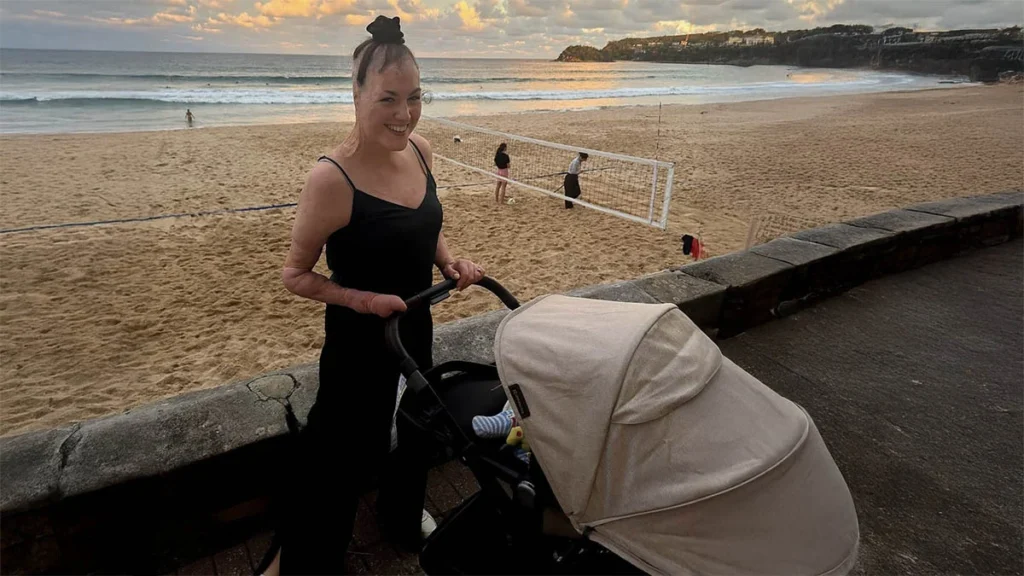
For parents who are fearful about their children being exposed to people with physical disabilities, Sophie had some words of wisdom:
- “When I’m out in public and a kid stares or wants to ask a question, and the parent pulls their child away, it’s teaching that kid that that is something you have to ignore. It’s teaching that child that that person, the way they’re living, you can’t know about it. Accessibility is such an issue in society, and too many people are ignoring it.”
- “When kids ask, I tell them. I was in a fire or I was hit by a car. And how cool is this wheelchair! It teaches them not to be afraid to ask, not to be afraid to be curious and explore and learn that there are different ways of living. A child just wants to learn more about the world, so why shelter them from that? They need to know that people like me and people with disabilities do exist and that it’s not a taboo topic.
- “I can promise you I’m never offended when kids ask questions. Kids are curious creatures and they’re going to ask questions about anything. But there is a fear that your child will be perceived as rude or embarrass the person, but I can assure you that’s never the case. If a person doesn’t want to answer the question, that’s up to the person to decide. I can share what I want to share. And that’s my decision. Don’t take that away from your child to learn a new lesson, or from the person who may want to share. Don’t be afraid to ask because that person might want to share.”
Let your kids ask the questions. Before they do, ensure the person is comfortable with it. Surprisingly, many people are willing and want to share, but they’re not given an opportunity.
Educate yourself as a parent to know what language is appropriate. A helpful place to start is to find resources and books that use inclusivity as a story.
Read next: Bindi Irwin’s miracle baby