

We were never meant to be perfect parents
What if your child doesn’t need a perfect parent, just a connected one? Here’s a gentler way forward built on presence, grace and connection.

Lazy parenting: Does it make kids more independent?
We investigate the rise of lazy parenting and whether it really helps kids become more capable and independent in the long run.
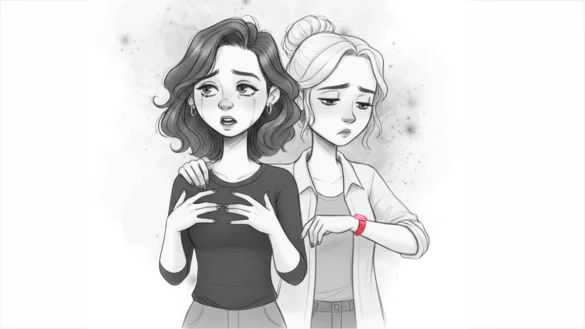
Emotional regulation isn’t about staying calm. It’s about this
Emotional regulation isn’t about being the calmest parent in the room. It’s about staying connected, even in hard moments.

Soft parenting: A new way to parent?
Curious about soft parenting and whether it’s right for your family? Here’s a lowdown and why you should pay attention.
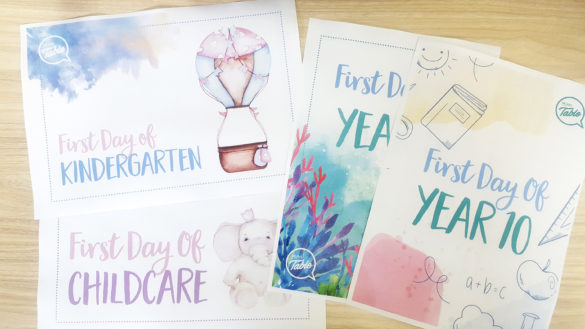
First day of school printable
Download our free printable to help you capture the precious memory of your child starting school for the new year.

School holiday activities: Tips for parents to keep sane
Here are some of the best school holiday activities parents can do to keep the kids entertained this school holidays.
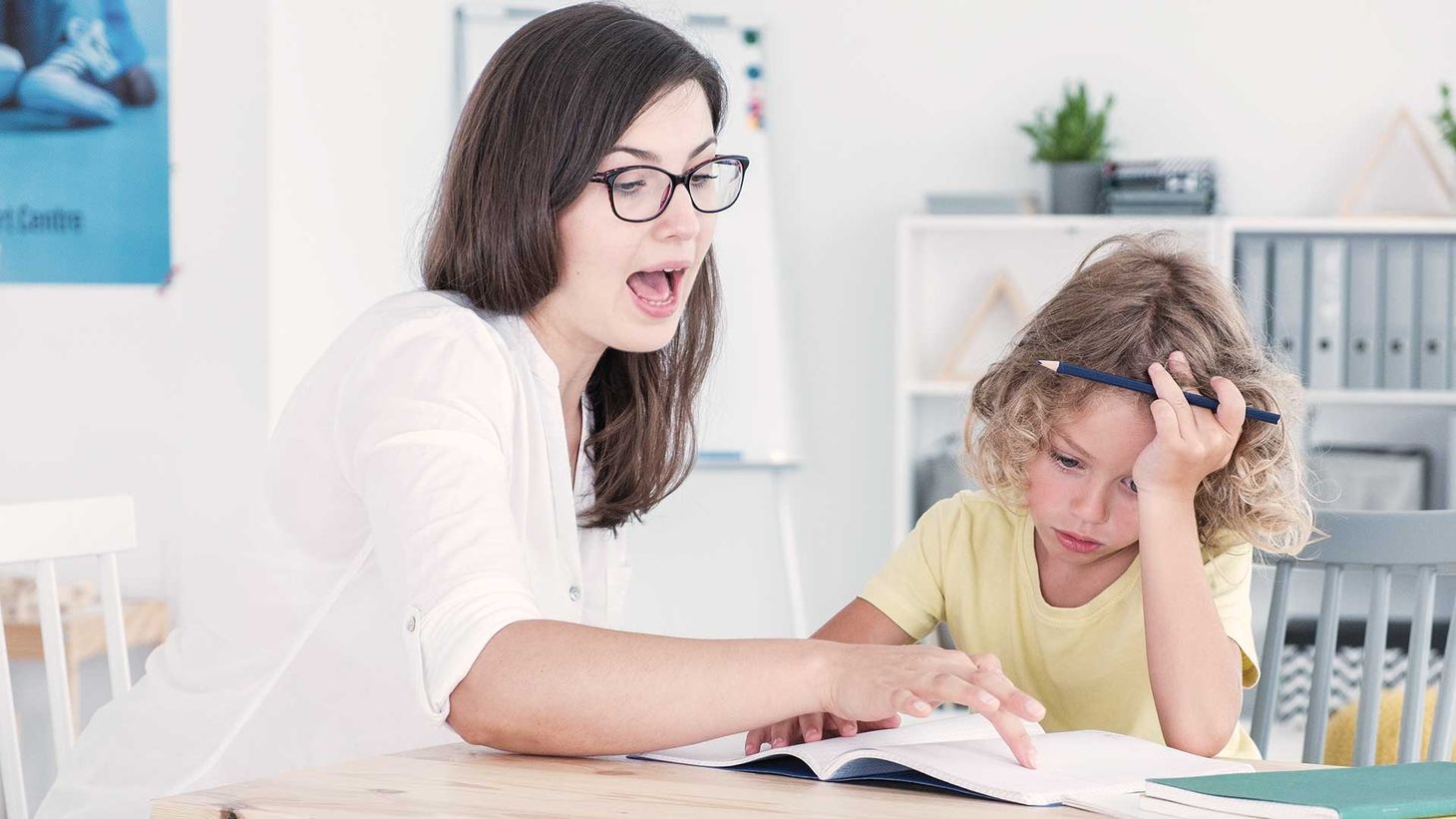
7 common learning difficulties kids face and how to support them
Is your child struggling at school? You’re not alone. Here’s how you can gently support your child through some common learning difficulties.

I’m a parent and I’m embracing 6-7. Here’s why
The 6-7 phenomenon is taking over the world, frustrating and bewildering anyone born before the year 2010. Yet, there may be a silver lining.

What KPop Demon Hunters taught me about parenting
Parenting lessons can come from the strangest places. Here’s what this surprising source taught me about raising kids.
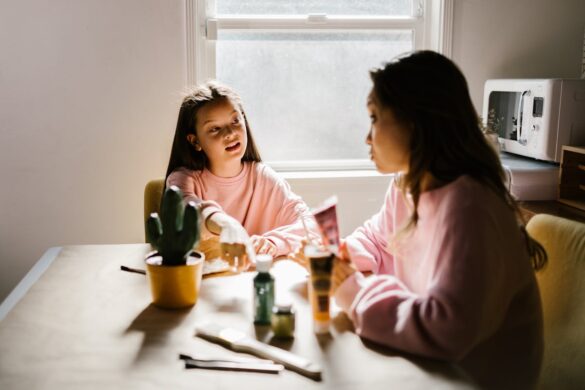
The parents’ guide to age-appropriate sex education
Learn how to confidently teach age-appropriate sex education at home and support your child’s healthy understanding of bodies and consent.
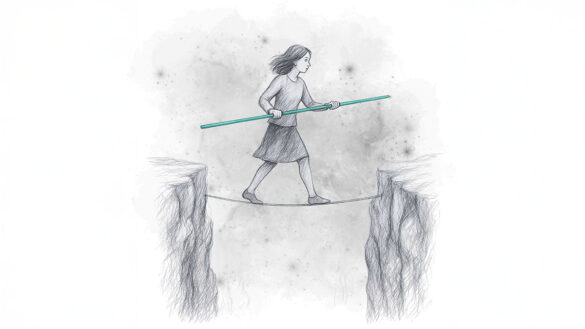
Why we should say sorry to our kids
Saying sorry to our kids may seem like we’re giving them a reason to disobey us. The reality however, is that it strengthens our bond.
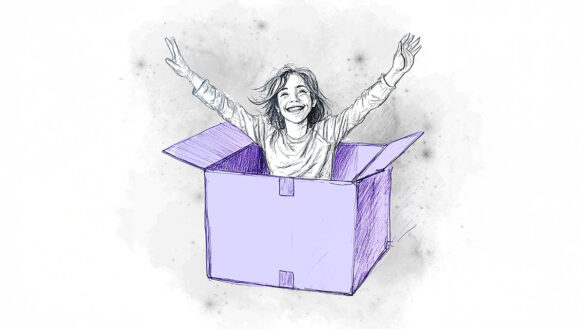
The hidden danger in saying “He’s just shy”
Calling your child “shy” might seem harmless, but research shows labels can shape their identity and behaviour—often in limiting ways.