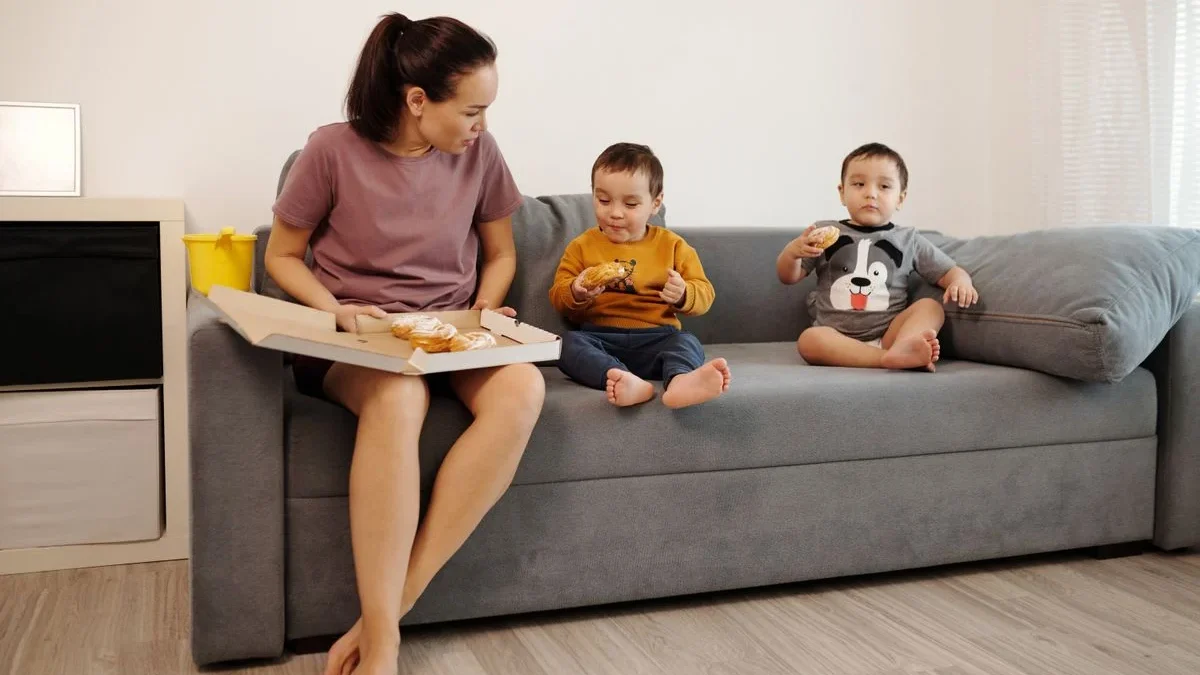
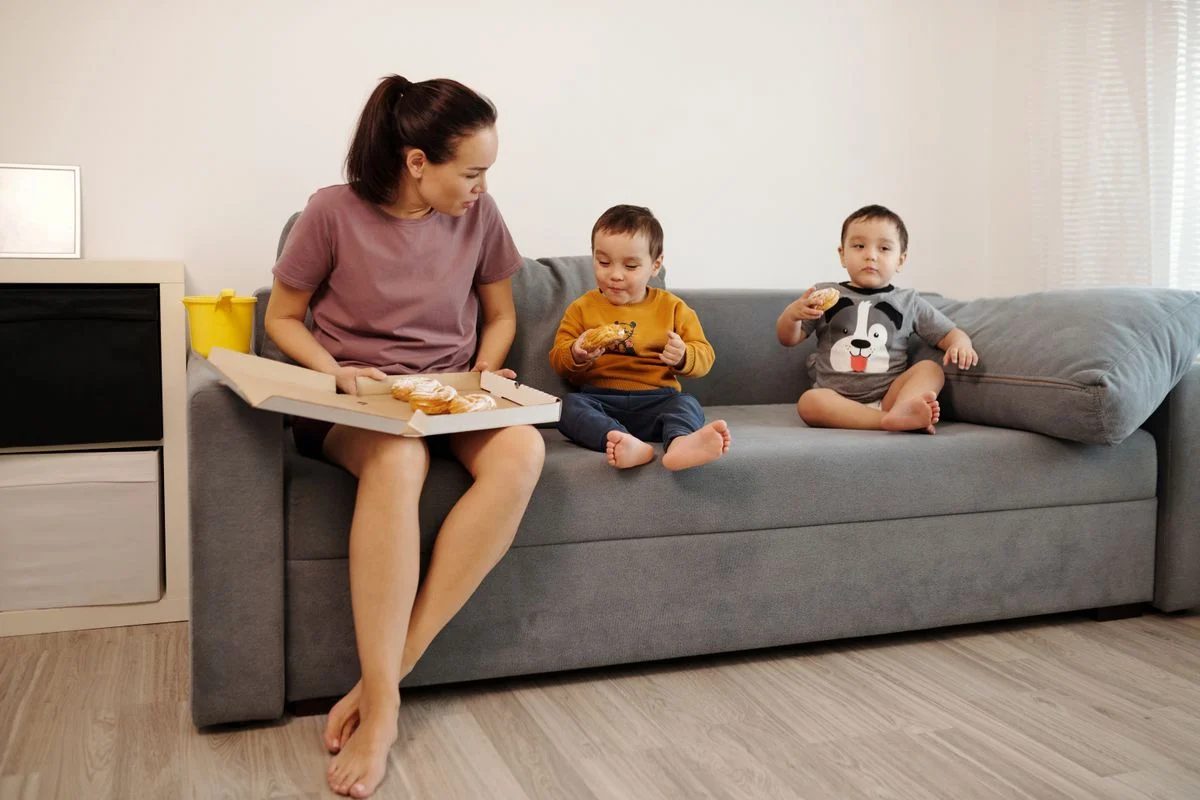
It’s one of the strange contradictions of motherhood. You can spend the entire day with another human attached to you and still feel completely alone. You feed the baby at 5 am, pack lunches, do the school run and spend the afternoon surrounded by young children, yet realise at the end of the day that you haven’t had one real conversation with another adult.
For many mothers, loneliness doesn’t look like sitting alone in an empty house. It can look like a noisy home, a full calendar and hundreds of people inside your phone, but very little genuine connection.
Antonia, a mum of one, knows that feeling well. “I find it very lonely and harder to make friends the older I get,” she said. “I often feel very alone and wonder if I really do have any close friends who would check on me or call me if they knew I was struggling.”
It’s a heartbreaking thought and probably one more mums relate to than we realise.
The loneliness epidemic
Loneliness is now treated as a genuine public health issue. In 2025, the World Health Organization reported that one in six people globally experience loneliness. In Australia, about 15 per cent of people aged 15 and over experienced loneliness in 2024.
Parents seem to feel the squeeze particularly strongly. A 2024 survey found that 66 per cent of parents said the demands of parenthood sometimes or frequently left them feeling isolated and lonely. Even more concerning, nearly two in five said they had no-one supporting them in their parenting role, while 79 per cent said they would value more opportunities to connect with other parents outside work and home.
Parental loneliness isn’t always about having no-one around. Parents can be surrounded by family, colleagues and other people every day, but still feel like they are missing real social support.
Social isolation and loneliness aren’t quite the same thing. Social isolation is about how much social contact we have with other people, while loneliness is about how meaningful those connections feel. You can see people every day and still feel lonely if you don’t feel truly seen, supported or understood.
Why can new motherhood feel so lonely?
Having a baby changes almost everything at once. Your routine, body, relationship and sleep can all change. Work friends continue with their usual social life while you may be home on parental leave. Leaving the house suddenly involves nappies, feeds, naps, prams, spare clothes and trying to remember whether or not you packed the baby wipes.
Even with lots of support and practical help, many mothers are still carrying an endless list in their head. When did the baby last feed? Are we out of nappies? Has the permission slip been signed? What are we having for dinner? When was the last time I actually called one of my friends? The mental load is real.
For new parents, this huge change in routine and identity can make new parenthood unexpectedly isolating. Research into perinatal loneliness, the loneliness experienced during pregnancy and around the time of having a baby, shows just how common this experience can be. One scoping review, which looked at a number of studies together, found loneliness was common among pregnant women, new mums and parents of children under five.
The postpartum period can be especially challenging. You may be recovering physically, adjusting to broken sleep and spending long stretches at home with a baby, all while trying to find your feet as a new mum.
While loneliness might not affect every mum, maternal loneliness certainly isn’t a fringe issue. It can affect first-time mothers, new mothers living away from family, single parents, mums whose friendships change after having kids or mothers with supportive partners who still miss having mum friends who understand what this stage of life actually feels like.
For some single mums and new mums, being without a nearby family member or close group of friends can make that feeling of loneliness even harder.
Social media isn’t quite the same as friendship
Modern mums have access to other parents 24/7 through social media. At 2 am, a new mum can search almost any parenting question, send a message to a friend or find an online group full of people going through exactly the same stage.
Search for “new mums”, “single mums” or “mum friends” and there are countless communities waiting. In some ways, we have never been more connected. But are we actually closer?
Linda, a mum of four, thinks social media has made that relationship complicated. “I think that social media makes it seem easier to connect but actually makes it more difficult to make meaningful one-on-one contact,” she said. “A lot of mums also work so they may have connections at work but may feel more lonely as mothers.”
That distinction matters. You can spend a whole day talking to colleagues, replying to messages and scrolling through social media and still feel like nobody really knows how you’re doing. You might have 15 group chats and still crave a cup of tea with another adult, some physical contact like a hug from a friend or someone sitting beside you saying, “Mine does that too.”
Social media can also give mothers a polished window into everyone else’s life. Other parents seem to have tidy homes, thriving kids, beautiful family outings and busy social networks.
When you’re already feeling lonely, seeing everybody else apparently surrounded by friends doesn’t always help. For some people, loneliness can even lead to social withdrawal, where you start pulling away from other people when what you really need is connection.
Sometimes we don’t need another parenting account, podcast or new book. We need a real conversation. Social interactions don’t always lead to meaningful friendships straight away, but regularly spending time with other mums can create opportunities for deeper connections to grow over time.
Loneliness and maternal mental health
Loneliness isn’t just an unpleasant feeling. Over time, it can affect our mental health too.
Studies have linked higher levels of loneliness with mental health problems such as anxiety and depression. For mums, loneliness during pregnancy and the postpartum period has also been linked with postnatal depression and postpartum depression.
Research into women experiencing perinatal depression has also found that some mums pull away from other people, worry about being judged as a “bad mum” or feel they don’t have the social support they expected.
That doesn’t mean being lonely will automatically lead to depression. But it does show just how important emotional support, friendship and regular social connection can be.
There are also wider health concerns around long-term loneliness. In the United States, research involving American adults has linked poor social connection with an increased risk of health problems and a higher mortality risk. That sounds serious, but the takeaway is actually pretty simple: Having people around us matters.
For mums, supportive relationships can be good for maternal mental health, while children also benefit from growing up surrounded by healthy relationships and a supportive community. When parents feel supported, it can have flow-on benefits for a child’s wellbeing and child development too.
Sometimes mums don’t need more advice about self-care. Sometimes they simply need people around them.
Mums need a village
We hear the phrase “it takes a village to raise a child” all the time, but what about the idea that it takes a village to raise a mum too?
Many mums are learning how to become a mother while also raising their children without much of a village around them. Families are spread across different cities and states. Grandparents might still be working. Parents are juggling jobs, daycare, school, housework and appointments. Finding time to maintain friendships can gradually drop further and further down the list.
That is where a parent group, mothers’ group, baby classes, support groups or playgroup can make a huge difference. Not because attending one playgroup suddenly gives you five best friends, but because it gives connection somewhere to begin.
You see the same faces each week. Someone remembers your name. Another parent notices you weren’t there last Tuesday. Your kids start playing together. You get five minutes of adult conversation with someone who understands exactly what this stage of life is like.
Small groups can make it easier to get to know people properly. Over time, those regular catch-ups can turn into genuine friendships and a reliable source of social support.
Australian research gives us another good reason to consider playgroups. One Australian study found that mums who didn’t regularly attend playgroup were much more likely to say they had no support from friends by the time their child was four or five. Years later, they were around twice as likely to report having no support from friends compared with mothers who had consistently participated in playgroup. That is pretty powerful for something as ordinary as turning up once a week.
Playgroups aren’t a magic cure for chronic loneliness. But they create something busy parents often lack: Regular, low-pressure opportunities for social connection.
During the early years, children get a chance to play, learn and make friends, while parents get a chance to sit down and talk to other adults who get it. Those relationships can support parents while also giving children positive social experiences during an important stage of a child’s development.
Sometimes that simple connection can make a huge difference.
You don’t need 20 mum friends
When we talk about a loneliness epidemic, the solution can start to sound enormous, but connection doesn’t have to be. It might be one mum you can text without worrying that you haven’t spoken in three weeks.
One friend you can tell, “I’m having a terrible day.” One parent group where you can arrive late with Weet-Bix on your shirt and nobody cares. One person who asks how you are and actually waits for the answer. Or even just the physical contact of a reassuring hug when you’ve had a rough week. And perhaps that is the part of modern motherhood we need to talk about more.
Mums don’t necessarily need huge social networks. They need meaningful ones. That’s one of the reasons our mums groups and playgroups exist. They are relaxed places where parents and kids can come as they are, meet other families and gradually build relationships.
If you are a new mum, a single parent or someone who has simply realised your social life disappeared somewhere between nappies, school lunches and bedtime, you don’t need to arrive already knowing somebody. You don’t need to be outgoing. You certainly don’t need to have motherhood figured out.
Just come.
Because sometimes the first step out of loneliness is simply having somewhere to go where somebody knows your name.
Mums At The Table has mums’ groups and playgroups in many locations across Australia and New Zealand, and we’d love to welcome you and your little ones along.
Are mums today more lonely than ever?