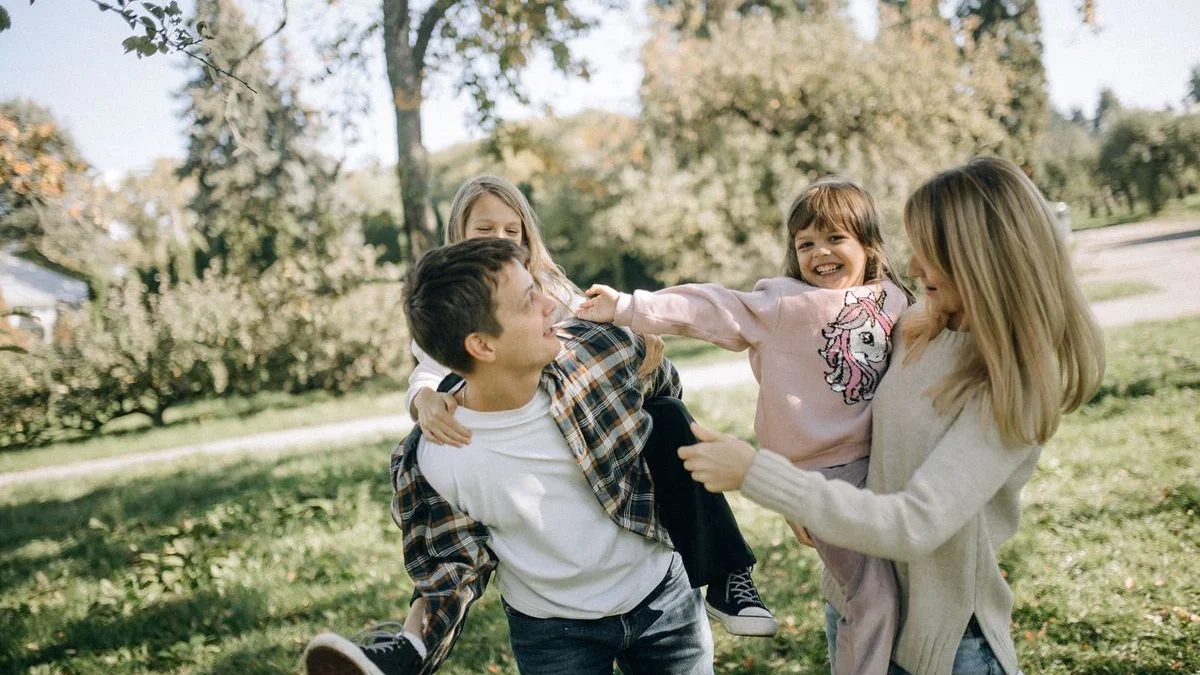
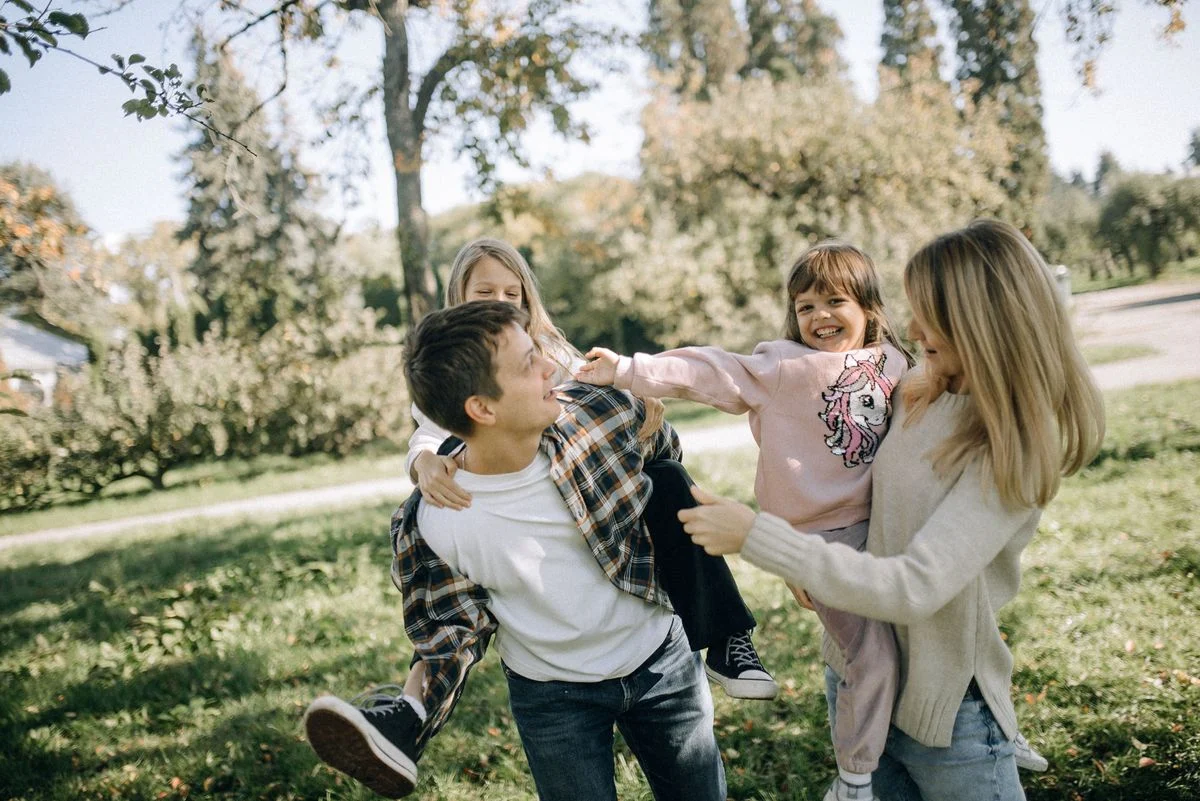
From bedtime stories to weekly pizza nights, small family rituals give kids a sense of belonging. Here’s why they matter and how to create your own.

You know that feeling when you’re flipping through a magazine or scrolling online and see picture-perfect families baking cookies, playing with new toys or wearing matching pyjamas? That little sinking feeling that creeps in, I wish our family had traditions like that?
Family rituals give our children (and us) something to look forward to, something to come back to and something that belongs to the family. As life changes, these little rituals can become the things that remind them we’re still a family and this is something we share.
While family rituals and traditions feel great and fun, there’s more to these little rituals than we realise.
Why do family rituals matter?
Meaningful family rituals lead to greater family cohesion, adolescent wellbeing, relationship quality and closeness. A major review of 50 years of research into naturally occurring family routines and rituals found that they were associated with things like parenting competence, child adjustment and marital satisfaction.
Routines are the repeated things we do which may or may not have meaning, while rituals carry a deeper symbolic meaning for the family. They become something that says, “This is who we are, and this is what we do together.” In family psychology, this idea of shared rituals is important because these repeated experiences can help shape a sense of family identity and belonging within the family system.
Even holiday rituals can increase enjoyment by strengthening feelings of family connection. These shared experiences can also create emotional bonds between family members, giving children and adults a sense of stability and emotional connection in everyday life.
That doesn’t mean every ritual has to be a major family event. Simple rituals woven into daily life can play an important role, too. Daily rituals such as eating together, a bedtime story, family cuddle time or checking in with one another can create regular opportunities for connection.
For younger children in particular, predictable rituals can provide a sense of security and familiarity, which are super important for child development and emotional regulation. They can also become part of the family process as children learn how their family spends time together, celebrates special events and responds to everyday life. Over time, these meaningful rituals can contribute to lasting memories and may even become part of a family’s history.
The Harvard Study of Adult Development, one of the longest-running studies of adult life, has found that the quality of our relationships is one of the strongest predictors of happiness, health and longevity. The point is, no matter how old we get, we still yearn for closeness, meaningful connection and love with the people who matter most to us.
How to start a family ritual
A family ritual doesn’t have to be big, flashy or even cost money. It could be as simple as heading down to the local river every Sunday afternoon as a family for a walk or a swim. The essential part is that it happens, it’s important and it’s the space for quality time, connection and fun.
Start with something you already enjoy doing together
Maybe your family loves going to the beach, watching movies, having pancakes on Sunday morning or getting ice-cream after school. Instead of trying to invent something completely new, think about how you can turn something you already enjoy into a tradition.
Family meals are another easy place to start. A regular Sunday dinner, Saturday morning breakfast or weekly family meal can become a simple ritual that gives everyone a chance to slow down and reconnect.
Make it predictable
What makes a ritual feel special is that everyone knows it’s something you do together. It might happen every Sunday, on the first day of the school holidays, every birthday or every Christmas Eve. It doesn’t have to happen perfectly every single time, but having some consistency helps turn an ordinary activity into something your family looks forward to. Regular family rituals can become little anchors in everyday life, particularly when family dynamics are changing or life feels busy.
Give it meaning
As mentioned earlier, a ritual is more than doing the same thing repeatedly. Think about what you want the tradition to represent. Maybe Friday night dinner is about putting phones away and reconnecting after a busy week. An annual family outing is about celebrating another year together. The meaning is what makes it your family ritual. It is that special meaning that can turn an ordinary activity into something your family remembers for years.
Let everyone have a say
Family rituals are more meaningful when everyone feels like they’re part of creating them. Ask your children what they would love to do together as a family. It helps to get their buy in. This can be especially helpful as children get older and their needs and interests change. A ritual that worked for younger children might need to evolve as your family grows.
For families of faith, you may already have daily rhythms you do together, such as family devotionals, bedtime stories and prayers, or pausing each Sabbath for a day of worship, family time, outdoor activities and yummy food. Religious services and religious holidays can also become meaningful opportunities for family rituals, bringing family members together around shared faith, cultural traditions and family history.
Sometimes these rhythms can feel dull or need a bit of a refresh. How can you make these more enjoyable? Is it letting your kids choose the activity, where to go for lunch or who to invite?
Family Ritual Ideas for Every Season
Here are some easy family ritual ideas you could plan with your family. The good thing about simple rituals is that they can fit naturally into everyday life without creating another huge commitment for parents.
- Weekly family dinner with the grandparents
- Saturday night pizza
- Sunday morning pancakes
- Bedtime stories and prayers
- Family walks after dinner
- Family game night
- Board games together on a Saturday night
- Gratitude around the dinner table
- A fun cake every birthday
- A beach trip once a month
- Ice-cream after swimming
- Helping an elderly friend with gardening once a term
- Volunteering together as a family
- A special family song
- Monthly family outing
- Christmas Eve present-wrapping
- New Year’s Eve picnic
- A special school holiday outing each holidays
- A monthly meal with extended family
- A special family activity for birthdays or other special events
- A family cuddle and bedtime ritual for younger children
As your family grows and changes you can adapt the rituals to suit. At the end of the day, it’s not the activity but the time and attention with the people you love that gives it real meaning.
The little things that bring us together
Do you have any family rituals you used to have as a kid? It’s strange how as you get older, those little things you once thought were simple or ordinary start to feel incredibly important.
Family rituals are simple ways to create memories that you don’t even realise you’re making. An opportunity to relish in the real magic of connection with family.
Read next: Slow motherhood: Small changes to make family life feel easier
The importance of rituals in family life