

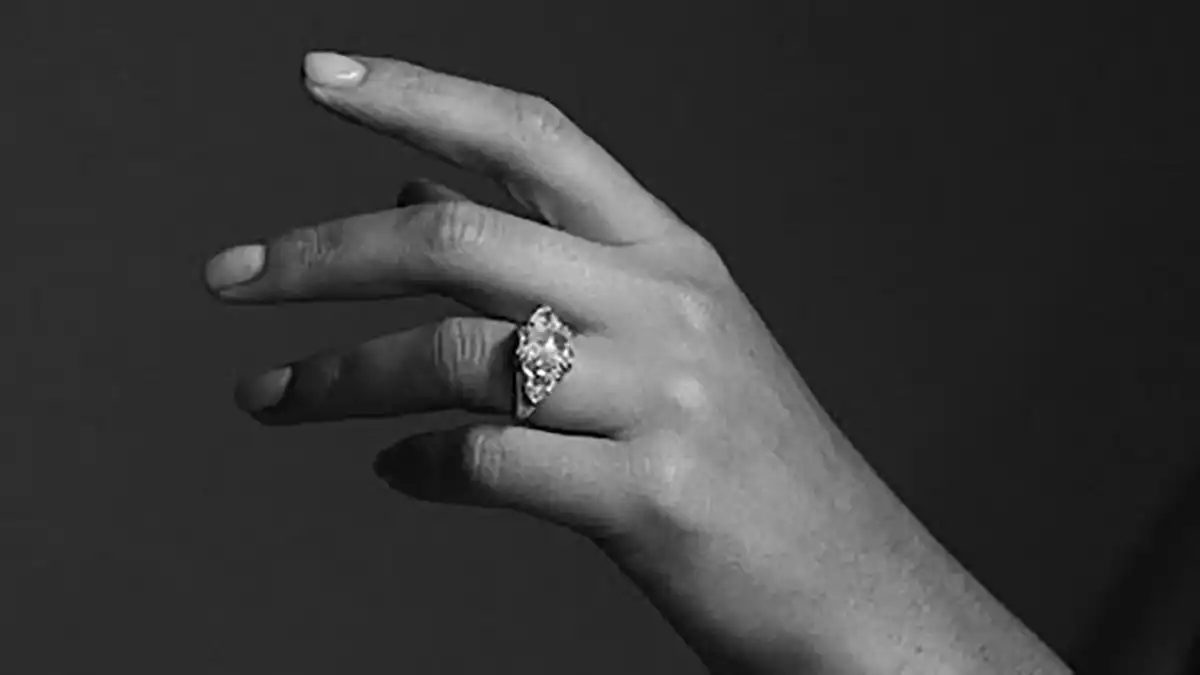
In an era of overnight delivery and ready-made products, it’s easy to assume that creating a custom ring should be a quick process. In reality, the finest bespoke jewellery is never rushed. Every stage, from the first conversation to the final polish, is designed to ensure the finished piece is as considered as the occasion it celebrates.

According to the team at Meaden Master Jewellers, a bespoke ring is the result of collaboration between client and jeweller, combining thoughtful design with traditional craftsmanship. Rather than adapting an existing design, each commission begins with an individual vision and develops into a piece created exclusively for its wearer.
Whether it’s an engagement ring, wedding band or milestone commission, the custom jewellery design process allows every element—from the choice of stone to the smallest finishing detail—to be tailored to the individual. While timelines vary, most bespoke rings are completed within two to four weeks, depending on the complexity of the design and the materials involved.
Every ring begins with a conversation
The journey starts with a consultation, where ideas begin to take shape.
Some clients arrive with a clear vision, while others bring a collection of inspiration images or simply an idea they’d like to explore. The consultation is an opportunity to discuss design preferences, gemstones, precious metals, budget and timing, while allowing an experienced jeweller to understand exactly what the finished piece should represent.
Establishing this shared understanding at the beginning creates the foundation for every stage that follows.
From concept to design
Once the design direction has been agreed, the concept is translated into detailed CAD drawings and realistic 3D renderings.
These digital models allow clients to visualise the ring before it’s made, refining proportions, settings and finer details with confidence. Changes can be made at this stage, ensuring every element feels right before craftsmanship begins.
For many bespoke commissions, a resin model is also produced. Holding the design in hand provides an opportunity to assess its scale, balance and comfort in a way that digital images alone cannot.
Selecting the right stone
For rings featuring diamonds or coloured gemstones, stone selection is one of the most significant parts of the process.
Rather than selecting from standard inventory, many bespoke jewellers source stones individually to complement both the design and the client’s priorities. Factors such as cut, colour, clarity and carat all influence the appearance of a diamond, while coloured gemstones offer their own unique characteristics and personality.
The rise of lab-grown diamonds has also opened up new possibilities—larger diamonds, alternative cuts or more intricate settings can be explored at a more accessible price point. This shift has created greater flexibility within a budget, allowing clients to prioritise the details that matter most while still achieving a meaningful piece.
Carefully matching the stone to the design ensures the finished ring feels balanced and harmonious rather than simply impressive on paper.
Craftsmanship can’t be rushed
Once the design has been approved and materials selected, the ring moves into the workshop.
This is where traditional craftsmanship takes over. Precious metals are carefully crafted by hand, settings are precisely constructed, gemstones are meticulously set and every surface is refined before final polishing.
Throughout production, quality checks ensure every detail meets the standard expected of a bespoke commission. It’s this attention to detail that distinguishes handcrafted jewellery from mass-produced alternatives.
The final details
Before a ring is presented to its owner, it undergoes a thorough final inspection.
Every setting, finish and proportion is carefully checked to ensure the piece not only looks exceptional but is built to be worn and enjoyed for generations. Many bespoke jewellers also provide documentation, including valuations for insurance purposes and certificates confirming the materials and craftsmanship involved in the commission.
While these final steps are rarely visible to the client, they’re an important part of delivering a piece that inspires complete confidence.
Why bespoke takes longer
One of the most common questions clients ask is whether a custom ring can be made more quickly.
In some circumstances, simpler commissions or urgent requests can be accommodated. However, experienced jewellers generally agree that the most important stage is the design and approval process. Taking the time to refine a design before production begins helps avoid compromises later and ensures the finished ring is exactly as envisioned.
Likewise, sourcing the right diamond or gemstone, rather than simply the first available option, contributes significantly to the quality of the final piece.
A ring created for a lifetime
A bespoke ring isn’t simply manufactured, it’s thoughtfully designed, carefully crafted and individually finished for one person.
While the process may take a little longer than choosing a ready-made design, the result is something far more personal: A piece that reflects the story, style and priorities of the person who’ll wear it every day.
For many couples, that’s precisely what makes the wait worthwhile.
Read next: How to save money and grow wealth at any stage of life