

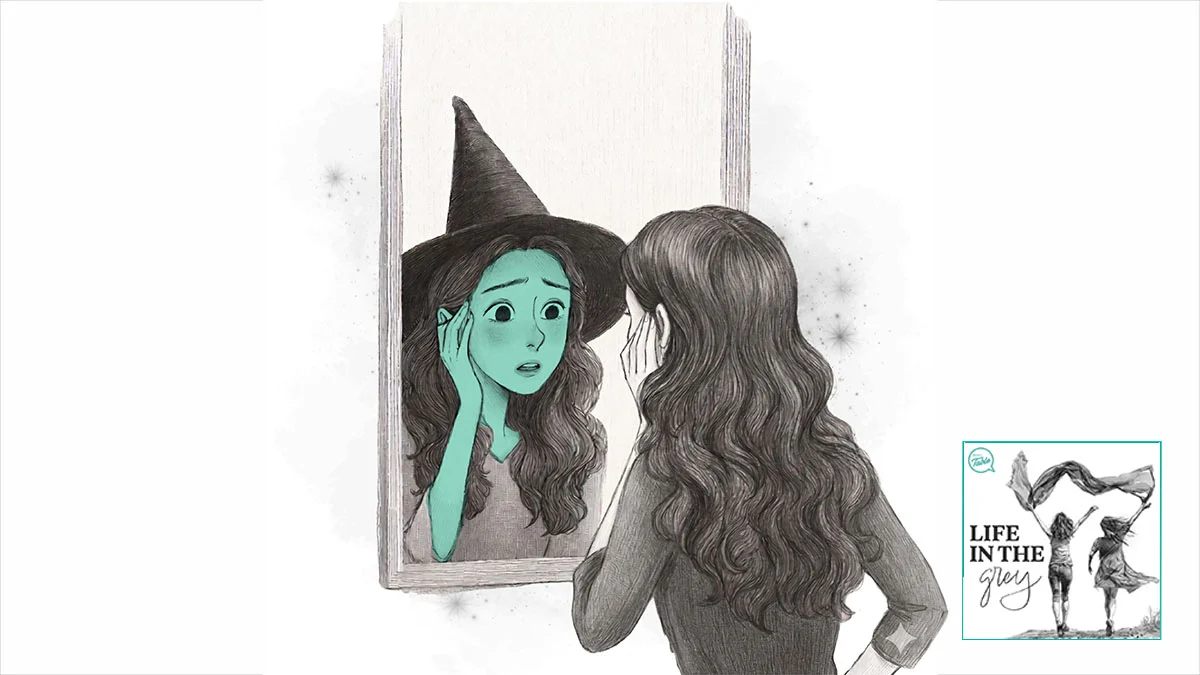
A few months back, I had an epiphany that reduced me to tears. They were sad tears but at the same time, gave me reassurance and assuaged a lot of the guilt I held as a mum.

I always looked back at my childhood positively. My parents loved me unconditionally, protected me fiercely and I had a supportive extended family surrounding me. It wasn’t a perfect childhood but I considered myself lucky, especially when I hear about the various traumas my friends experienced growing up.
As a result, I tend to view myself as functional, well-adjusted and resilient. Little did I realise just how much pressure that would put on my performance as a mum.
Protection and defence
Often, our behaviours and reactions are motivated by a desire to protect ourselves. This defensive behaviour can often be unconscious and reactive. It’s a response that is so automatic we don’t even realise what is driving it deep underneath.
When we snap at our partner for gently pointing out we forgot to do something, it could be we’re trying to protect being perceived as incompetent.
When our child performs well and we immediately remind them not to become complacent, we could be protecting a fear that celebrating too much will make them lazy.
When we have uncomfortable feelings because our child is exhibiting big and difficult feelings, and come down hard on them, we could be protecting ourselves from forgotten adverse childhood experiences.
That last example is personal.
Parenting and the inner child
Our early childhood experiences shape our behaviour as adults and the kind of relationships we have with others, including our own children. It’s what attachment theory is built on. When children experience a secure attachment with their primary caregiver, when the relationships they experience are warm and responsive, they tend to grow up feeling positive about themselves and developing healthy relationships with others.
When we parent our children, we can unconsciously activate our inner child as well. This simply means we reflect to our children the experiences our younger selves had. This applies more often to our emotions and reactions.
For example, if as a parent, we feel uncomfortable allowing our children to make a mess while playing, it could be because we were never allowed to do so as children. Or when our child pushes a boundary or talks back and we immediately shut down, we may have developed a childhood strategy of withdrawing whenever an authority figure became volatile.
A forgotten message
As someone who thought they had a relatively normal and non-traumatic childhood, it came as a bit of a shock when I realised my inner child had not learned to hold, process and regulate big and difficult emotions.
When my son became frustrated, upset or angry, I almost immediately felt my chest tighten and I would start to become cross. There have been numerous occasions where I would snap at him and react in a way designed to stop him expressing how he felt.
As it turns out, my reaction was motivated by a desire to protect my inner child from the negative experiences I had whenever I had big feelings growing up:
- “You’re too old to be crying now.”
- “Shame on you for being upset.”
- “You have no right to be angry!”
These were the messages so deeply ingrained in me I failed to even recognise them as an adult. Instead, while I knew it was important to validate my son’s feelings, I could never do it in a way I wanted to. Even when I succeeded, I would often be fighting deep and uncomfortable feelings within myself.
What I was instinctively trying to protect was my inner child. What I was unwittingly hurting was my own child.
We don’t wake up wanting to be the “bad guy” in our family’s story, but how do we bridge the gap when our well-meaning intent leaves a hurtful impact? Watch Episode 19 of Life in the Grey below to find out.
Nobody’s fault
It’s important to point out this is not a fault-finding exercise. My parents and other caregivers were doing the best they could with the information they had. They were parenting me the way they were parented and what they lacked when it came to dealing with emotions, they more than made up in ensuring I knew I was loved and protected.
There is also no shame in realising that you—like me—have yelled at your children, dealt poorly with their big emotions or done something else you feel may have damaged your children. We are imperfect humans doing the best we can. As a Christian, I believe God can turn my weak attempts at parenting into something positive in my son. At the same time, studies have also shown that as parents, we only need to get things right around 30 per cent of the time to build a secure attachment with our child.
Good enough is good enough. It doesn’t mean we don’t strive for better; it simply gives us space to make mistakes, accept them and move on.
We are not bad mothers whenever we react sharply or simply because we’ve done something we’ve promised ourselves we wouldn’t do. (Of course, we also live in an age where caveats are important and so it’s crucial to point out this is not a blanket statement or a free pass to do things that are overtly harmful or illegal.)
Often, our instincts work faster than what we know we should do, because we are frantically trying to protect something buried deep within ourselves. That in itself is the entire premise of being a Christian: We are fallible humans prone to failure but we have a God willing to forgive us again and again.
Free from guilt
The next time you snap, react defensively or feel painted as the “bad guy” in a situation, be kinder to yourself. Meet your protective instincts with curiosity instead of self-judgement and ask yourself, “What are you frantically trying to protect?”
Often, there won’t be quick and easy answers. It’s likely you will have to spend time digging deep into yourself to discover the truth. Yet, when you do, the truth, as they say, will set you free.
It’s time to stop feeling guilty and constantly thinking you’re a bad mum.
Read next: The myth of the “zen mum”
Tune in to the Life in the Grey podcast

Life isn’t always black and white. Life in the Grey is a Mums At The Table podcast where we explore the psychological factors that shape our relationships, be that as a parent, a partner or a peer. And don’t worry—it’s short because we ain’t got time for fluff. Expect practical takeaways that you can apply to your own life, whether it’s navigating parenting challenges or finding balance amidst life’s demands. Join us each month as we share stories, insights and reflections that encourage personal growth and foster a sense of connection in our community.