
Is the clean eating trend healthy? We break down what it really means for your nutrition, your kids and how to spot the toxic food guilt.

Clean eating can be one of those topics that can be a bit confusing. People wonder what it actually means for everyday meals. Is it only about eating organic? Is it avoiding entire food groups? How strict are the rules?
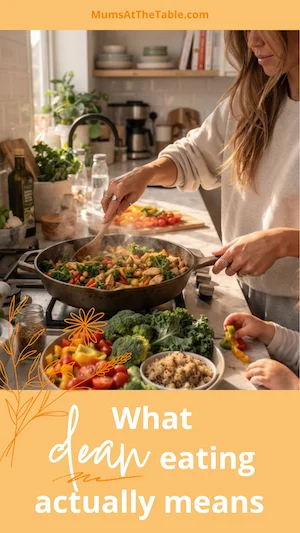
In reality, a balanced, clean-eating lifestyle can be practical and sustainable, and is evidence-based. Clean eating is simply eating foods in their most natural state, without extensive processing or the addition of sugars, flavours or chemicals.
The first point to keep in mind isn’t about perfection or restriction, but about creating healthier eating habits that support overall health, stable energy levels, a healthy body weight and long-term disease prevention for every family member.
Real food includes fresh foods such as vegetables, fruits, lean protein, healthy fats, legumes, wholegrains such as brown rice, nuts, seeds and minimally processed dairy products. These foods provide essential nutrients that support growth, brain function, immune health, cardiovascular function and healthy body composition.
What is processed food?
The term “processed food” can be a bit confusing. Processed food exists on a spectrum. Think of a bag of walnuts. They have been through two levels of processing. Firstly, they’ve had their shells removed and then they’ve been put through a sieve to ensure you don’t break your tooth on any shell fragments. Then they get sealed in a plastic bag and put on your supermarket shelf. Very little processing. Essentially, they are cleaned and made edible. Other simple forms of processing include things such as boiling tomatoes for bottling them or blanching and freezing peas.
Then there is “processing” which makes food more appetising, but not ideal for promoting health. Think ultra processed foods like doughnuts, chips, biscuits, cakes, slices, puddings, burgers and more. These foods generally have lots of preservatives, added sugar, flavour enhancers and processed seed oils.
Healthy food for healthy bodies
Research consistently shows that diets rich in whole foods are associated with lower rates of chronic diseases, including obesity, type 2 diabetes, cardiovascular disease and high blood pressure.
Families who prioritise healthy eating patterns also tend to experience improved digestion, better mood regulation, more stable energy levels and healthier body weight outcomes over time. This is especially important for kids to aid growth and development, for energy and to learn to have good relationships with foods.
For many parents, the challenge lies in understanding how to apply clean eating principles to everyday life without creating stress around meals. A realistic clean eating diet should support flexibility, enjoyment and family balance. Children especially benefit from seeing healthy choices modelled consistently rather than experiencing rigid food restrictions or fear around certain foods.
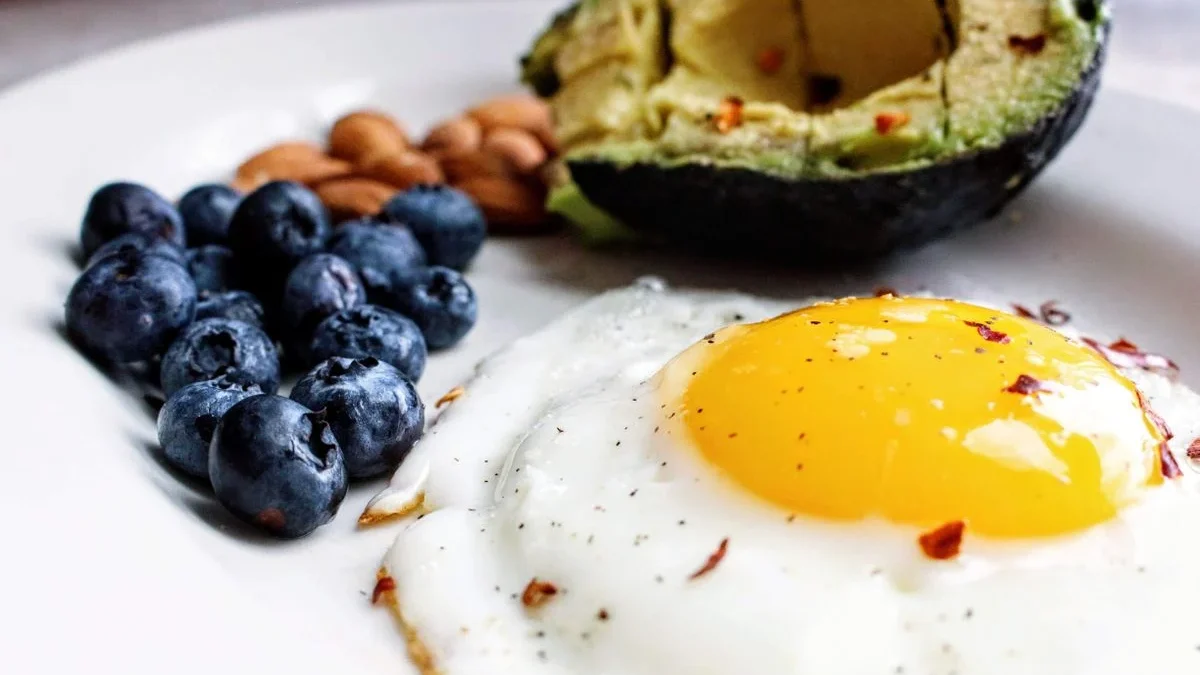
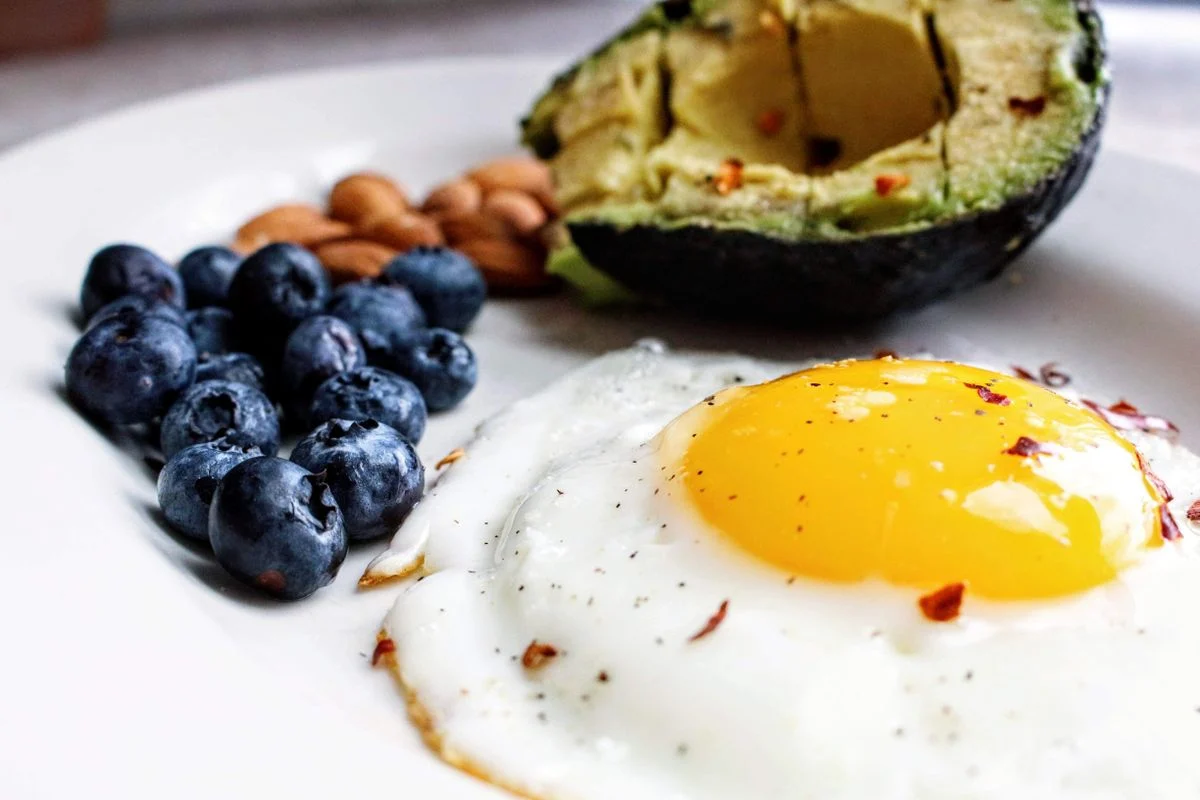
A practical approach to clean eating starts with building meals around nutrient-dense foods. Meals that have some fibre (vegetables), protein (eggs, tofu, legumes), healthy fats (extra virgin olive oil, nuts, avocado), vitamins and minerals help support satiety and metabolic health.
Another important aspect of healthy eating is reducing excessive sugar intake. Refined sugars found in soft drinks, confectionery, pastries and highly processed snacks contribute significant calories without providing meaningful nutritional benefits. Excessive sugar consumption has been linked to increased risk of obesity, insulin resistance, dental disease, fatty liver disease and cardiovascular complications.
This does not mean families must completely eliminate all occasional foods. Sustainable, healthy eating allows room for flexibility and enjoyment while maintaining a strong nutritional foundation most of the time. Basically, it’s about healthy, whole foods as the norm and others as exceptions or occasional.
Parents should also recognise that clean eating is not about achieving a certain body image. Nutrition should never revolve solely around weight loss or appearance. Instead, the focus should remain on supporting physical health, mental wellbeing, growth and healthy lifestyle habits for the entire family. Children who are exposed to balanced nutrition education are more likely to develop positive long-term relationships with food and healthier eating habits into adulthood.
Practical ways families can apply clean eating every day
For many parents, the biggest challenge with food in general is time. The good news is that clean eating does not require perfection, complicated recipes or hours spent in the kitchen. In fact, some of the most effective healthy choices are often the simplest ones.
One of the easiest ways to improve a family’s diet is through gradual food swaps rather than extreme dietary changes. Small adjustments can significantly reduce added sugar, improve nutrient intake and help families rely less on heavily processed foods over time.
Some practical examples include:
- Swapping sugary breakfast cereals for oats topped with fresh fruits and natural yoghurt
- Choosing brown rice or quinoa instead of refined white rice more often
- Replacing soft drinks with homemade juices, smoothies or things like carbonated flavoured water without any sugar or aspartame
- Using nut butter or avocado on toast instead of chocolate spreads
- Having a boiled egg for a morning tea snack instead of a chocolate bar or chips
- Replacing packaged snack foods with fresh foods such as fruit, vegetable sticks, nuts or hummus
- Choosing homemade popcorn over highly processed chips
- Using extra virgin olive oil-based dressings instead of creamy bottled sauces high in refined sugars and additives
These swaps support healthier eating habits without making meals feel restrictive or unrealistic for children.
What clean eating can look like in a real family home
Many parents assume clean diets require elaborate meals or expensive ingredients, but practical clean eating is built around simple staple foods. A realistic day of family meals may look like this:
Breakfast
- Oats with banana, berries, chia seeds and milk or a berry smoothie with protein powder
- Scrambled eggs with avocado
- Greek yoghurt with fresh fruits and nuts
Lunch
- Wrap with fried tofu, salad and hummus
- Leftover homemade dinner packed into a lunchbox
- Brown rice bowls with vegetables and legumes
Dinner
- Coconut cream curry with vegetables and legumes
- Stir fry vegetables and tofu with brown rice
- Roasted veggies and Greek salad
Snacks
- Fruit
- Vegetable sticks and hummus
- Boiled eggs
- Nuts and seeds
- Natural yoghurt
This approach helps families increase vegetable intake, reduce refined sugars and improve overall health while still enjoying satisfying meals.
Why meal planning matters
One of the most powerful tools for maintaining a clean eating lifestyle is meal planning. Families who plan meals ahead of time are generally more likely to make healthy choices and less likely to rely on convenience foods during stressful or busy periods.
Meal planning does not need to be complicated. Even planning just three or four dinners for the week can reduce decision fatigue, save time, improve grocery budgeting and support healthier eating habits.
Helpful meal planning strategies include:
- Planning meals around staple ingredients already at home
- Choosing recipes with overlapping ingredients to reduce waste
- Preparing simple backup meals for busy nights
- Keeping frozen vegetables and canned beans available
- Writing a shopping list before grocery shopping
Parents should also avoid trying entirely new recipes every night. Repeating familiar family meals can reduce stress while still supporting a healthy lifestyle.
Batch cooking
Batch cooking is another highly effective strategy for families trying to maintain clean eating habits with limited time. Preparing larger quantities of food once or twice per week can make healthy meals far more accessible during busy weekdays.
Batch cooking also reduces the temptation to order takeaway or rely on highly processed convenience meals after long workdays.
Five batch cooking hacks
- Cook once, eat twice: Double recipes at dinner and freeze extra portions for future meals.
- Prep ingredients ahead of time: Wash and chop vegetables, cook brown rice, marinate lean protein or prepare snack containers in advance.
- Use versatile staple foods: Choose ingredients that can be used across multiple meals.
- Keep your freezer stocked with healthy basics: Frozen vegetables and homemade meals can help families maintain healthy eating habits even on hectic days when there is little time to cook.
- Create a simple weekly meal rotation: Instead of constantly finding new recipes, rotate a small selection of balanced family meals your household already enjoys. This reduces stress, simplifies grocery shopping and makes clean eating more sustainable long-term.
Involving children in healthy eating
Children are more likely to try healthy foods when they feel involved in the process. Simple family participation can positively influence long-term eating behaviours and encourage healthier habits.
Practical ways to involve children include:
- Allowing them to choose a vegetable for dinner
- Letting them help prepare meals
- Encouraging them to wash fruits and vegetables
- Teaching them basic cooking skills
- Growing herbs or vegetables at home
Repeated exposure is important. Children may need multiple opportunities to try certain foods before accepting them. Parents should avoid pressure or punishment around eating, as this can create negative food associations.
Progress matters more than perfection
While there is the idealised view that clean eating will always involve organic produce for each and every meal, that’s not always sustainable or possible for many reasons. Though that would be wonderful, it may not always be possible.
Clean eating should remain enjoyable, flexible and sustainable without trying to be utterly perfect every meal. Some days will involve takeaway meals, birthday parties or convenience foods, and that is completely normal. What matters most is the overall pattern of healthy choices over time.
Building a healthy lifestyle is all about consistency, intentionality and also keeping things realistic. The healthiest diet is rarely the most extreme one. Instead, it is the dietary pattern that families can maintain consistently, enjoy together and adapt to their real lives over time.
Frequently asked questions about clean eating
Q: What is clean eating?
Clean eating focuses on whole, minimally processed foods such as vegetables, fruits, lean protein, wholegrains and healthy fats.
Q: Does clean eating mean avoiding all processed foods?
No. Minimally processed foods like frozen vegetables, oats and canned beans can still be part of a healthy diet.
Q: Is clean eating safe for children?
Yes. A balanced clean eating lifestyle can support healthy growth, development and eating habits for children.
Q: Is clean eating expensive?
Not necessarily. Foods like oats, eggs, brown rice, beans and frozen vegetables are affordable and nutritious.
Read next: What should you feed your child?