

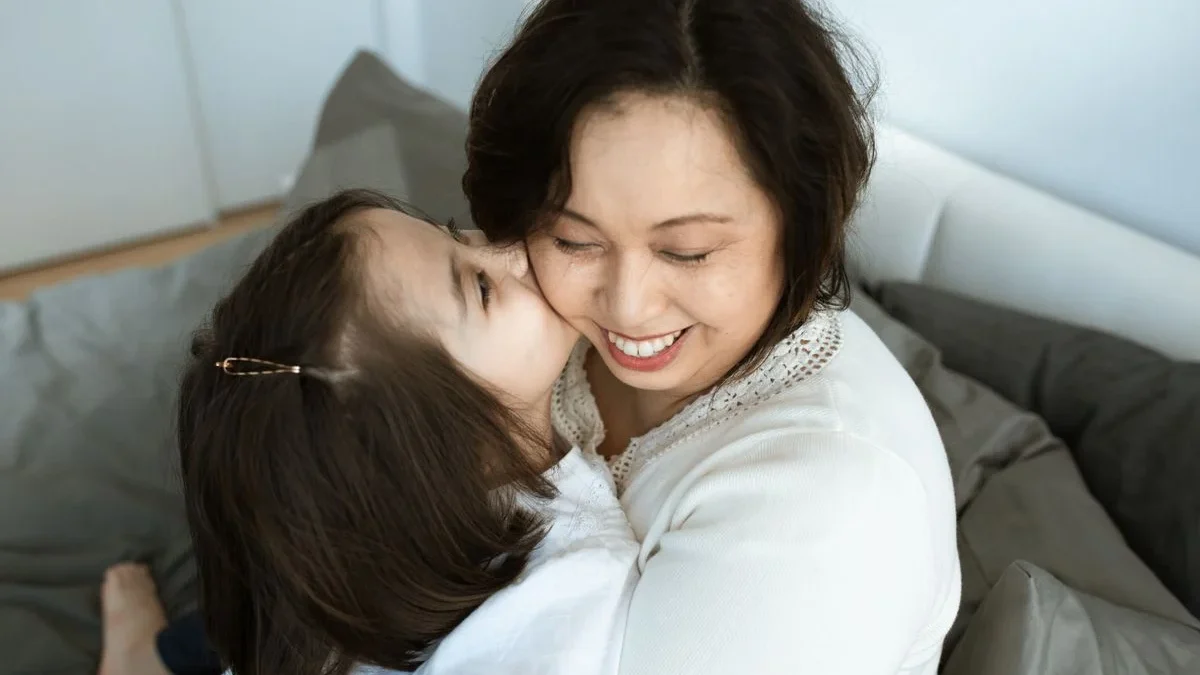
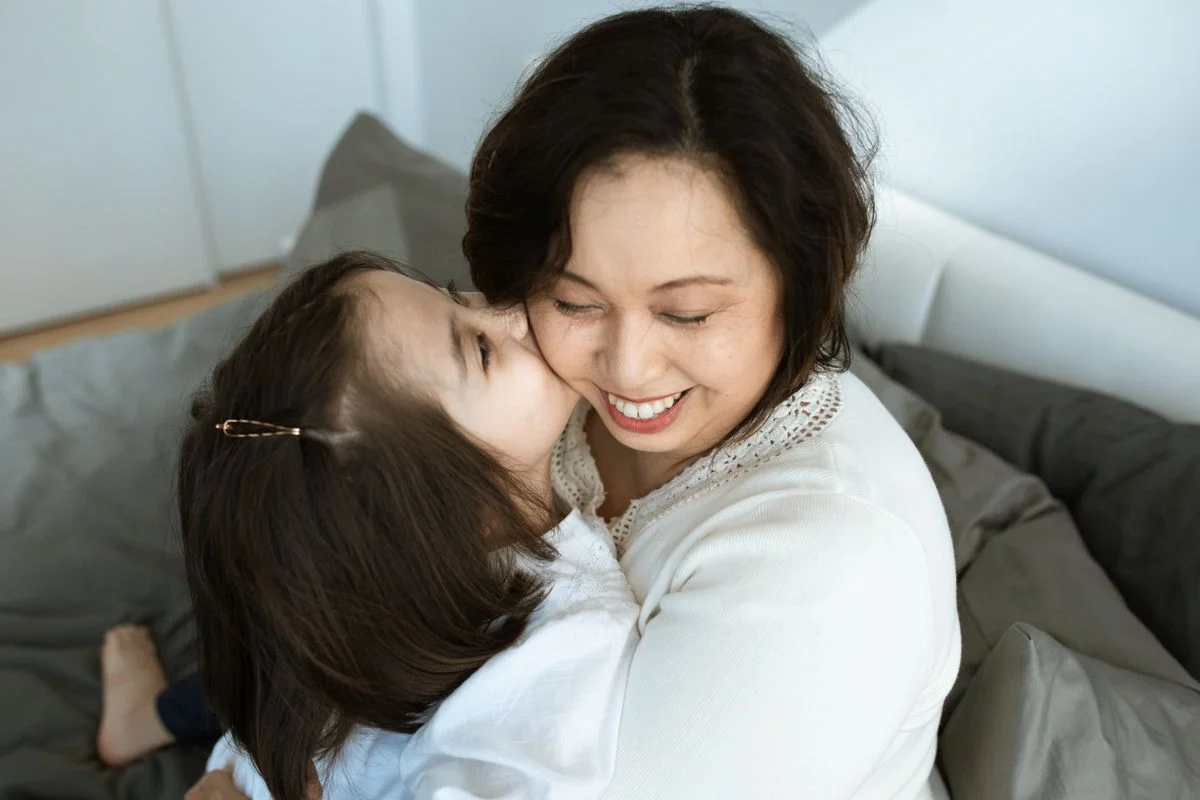
This is what being an emotionally available parent really looks like and how you can build a deeper connection with your kids.

Most parents don’t wake up in the morning thinking, Today I’m going to emotionally disconnect from my children. Yet, maybe you grew up with emotionally unavailable parents. Maybe emotions weren’t talked about in your family system. Maybe emotional expression was dismissed, ignored or seen as “too much”. Or maybe you’re simply exhausted, overstimulated and trying to survive another week of school lunches, tantrums and interrupted sleep.
The truth is, emotional availability isn’t about being always calm, perfectly patient or emotionally “on” 24/7. It’s about emotional presence. It’s about whether your child feels emotionally connected to you, even during ordinary everyday moments.
What does emotional availability actually mean?
An emotionally available parent is someone who is emotionally present and responsive to their child’s emotional needs. That doesn’t mean fixing every feeling or making children happy all the time.
It means being able to notice your child’s emotions and respond instead of react (most of the time), and create emotional safety when they need support.
Sometimes emotional availability looks big and obvious, like comforting a child after a nightmare, but is incredibly ordinary most of the time. It’s:
- looking up when your child says, “Mum, watch this”
- noticing when they seem quieter than usual
- sitting beside them after a hard day
- listening without immediately correcting or dismissing
- apologising after losing your temper
- helping children understand big emotions instead of shaming them for having them
- observing them and noticing that they might be carrying something they don’t have the confidence to speak about
- anticipating the emotional longings of your child without them needing to say it all the time
These little moments shape attachment security over time. At a basic level, it could simply be asking yourself, “What did I need as a little girl in this moment?” and trying your best to be that for your child.
Why emotional connection matters so much
Children learn about relationships through their earliest experiences with parents and caregivers. Attachment research shows that emotional availability plays a huge role in helping children develop secure attachment.
When children consistently feel emotionally safe, supported and understood, they’re more likely to build healthy relationships later in life. They begin developing beliefs like:
- “My feelings matter.”
- “I can ask for support.”
- “People are emotionally safe.”
- “I am worthy of love and connection.”
This becomes part of their inner world and emotional attachment patterns as they grow.
On the other hand, emotional unavailability can sometimes lead children to suppress emotions, disconnect from their emotional needs or develop insecure attachment styles in adult relationships.
But this is important: No parent gets this right all the time.
Good parenting isn’t about perfection. It’s about repair, consistency and emotional awareness over time.
Different attachment styles and what they mean
Attachment styles are the patterns we develop around relationships, emotional connection and safety. They’re shaped largely through early childhood experiences. In simple terms, attachment styles influence things like:
- how safe we feel emotionally
- how we handle closeness
- how we react to conflict
- whether we trust other people
- how we behave in adult relationships
Most people fall into one of four main attachment patterns.
1. Secure attachment
Secure attachment is considered the healthiest attachment style overall. Children usually develop secure attachment when parents are emotionally available, responsive, consistent and emotionally safe most of the time. Their emotional needs are generally acknowledged and supported.
As adults, people with secure attachment often:
- feel comfortable with emotional closeness
- communicate openly
- trust other people more easily
- regulate emotions relatively well
- maintain healthy relationships
- handle conflict without extreme fear or withdrawal
This doesn’t mean they never struggle emotionally. It simply means relationships usually feel safe rather than threatening.
How secure attachment manifests:
- asking for support when needed
- feeling okay with both independence and closeness
- recovering from conflict without panic
- expressing emotions directly
- setting healthy boundaries
Why it’s healthy:
Secure attachment creates emotional stability, resilience, emotional regulation and stronger adult relationships overall.
2. Anxious attachment
Anxious attachment develops when emotional support feels inconsistent during childhood. A child may experience warmth and connection irregularly, for no real rhyme or reason, with parents who are very unpredictable.
As adults, this can lead to:
- fear of abandonment
- overthinking relationships
- needing constant reassurance
- emotional overwhelm
- people pleasing
- difficulty feeling secure in relationships
People with anxious attachment may become highly sensitive to changes in tone, distance or conflict, often fearing rejection or disconnection. While it can create unhealthy relationship patterns, anxious attachment can absolutely improve through emotional awareness, therapy and secure relationships.
3. Avoidant attachment
Avoidant attachment develops when children learn their emotional needs are ignored, dismissed or unsafe to express. This is common with parents who are unable to be present or who haven’t emotionally matured to the level that their child needs.
Children may unconsciously learn:
- “I have to handle things alone.”
- “My emotions are too big to tell anyone.”
As adults, people with avoidant attachment often appear highly independent but struggle with emotional closeness. This can look like:
- shutting down emotionally
- avoiding vulnerability
- pulling away during conflict
- suppressing emotions
- struggling to rely on other people
Although avoidant attachment can create emotional distance in relationships, it’s usually a protective response developed early in life, not a lack of care or love.
4. Disorganised attachment
Disorganised attachment often develops in childhood environments that feel frightening, chaotic, emotionally neglectful or deeply inconsistent. Children may crave emotional connection while also fearing it at the same time.
As adults, this can create confusing relationship patterns such as:
- wanting closeness but fearing intimacy
- emotional highs and lows
- difficulty trusting people
- fear of abandonment mixed with fear of dependence
- emotional dysregulation
Disorganised attachment can strongly affect mental health, self esteem and adult relationships, but healing is possible through emotional safety, therapy, attachment repair and secure relationships over time.
Signs of emotional availability in everyday parenting
A lot of people hear terms like emotional availability or emotional connection and imagine deep therapeutic conversations happening constantly. Real life usually looks much messier than that.
An emotionally available parent might:
- comfort a crying child instead of saying “stop being dramatic”
- acknowledge feelings even while setting boundaries
- make time for connection during busy days
- stay emotionally present during difficult moments
- help children name emotions
- listen without immediately trying to “fix” everything
For example, when your child comes home upset after friendship issues at school, emotional availability doesn’t mean solving the problem perfectly. Sometimes it’s simply:
- “That sounds really hurtful.”
- “I can understand why you feel upset.”
- “Would you like some advice or do you just want me to listen?”
Those moments can help build emotional closeness and trust.
Emotional availability doesn’t mean constant access
This is where lots of mums feel confused. Being emotionally available doesn’t mean your child has unlimited access to you every second of the day. Parents are human beings with emotional needs too. You are still allowed to:
- feel overwhelmed
- need space
- become dysregulated
- say “I need five minutes”
- set healthy boundaries
- make mistakes
In fact, children benefit from seeing healthy emotional regulation modelled in realistic ways. A child doesn’t need a permanently calm parent. They need a parent who repairs after hard moments and helps create emotional safety overall.
The impact of emotionally unavailable parenting
Many adults are now reflecting on their own childhood experiences and recognising signs of emotionally unavailable parenting in their upbringing. Emotionally unavailable parents aren’t always intentionally neglectful or uncaring. Sometimes they were:
- emotionally immature parents
- struggling with mental health challenges
- overwhelmed by survival stress
- raised in families where emotions were ignored
- disconnected from their own emotional needs
- at a young age when they started parenting and lacked emotional maturity or wisdom
Some children grow up learning that emotions are inconvenient, dramatic, weak or punished. Over time, this emotional distance can affect:
- self-esteem
- emotional expression
- romantic relationships
- emotional regulation
- attachment style
- emotional closeness with other people
Being able to reflect on your own childhood with awareness rather than judgement can be incredibly powerful. It’s not about blaming yourself or your parents, but gently noticing the patterns, experiences and emotional wounds that may still affect you today.
That kind of self-awareness can support your own healing journey, help you parent more intentionally and highlight areas where new patterns, boundaries or changes may be needed.
Parenting while breaking old patterns
One of the hardest parts of parenting is realising that your child’s emotions can trigger unresolved feelings from your own childhood. Maybe you experienced emotional neglect, so being emotionally present for your children doesn’t come naturally because nobody modelled it for you. Or maybe part of you deeply resents being expected to give your children the emotional support you never received yourself.
This is why these conversations matter so much. Many mums are trying to learn emotional availability from scratch while also healing their own attachment wounds at the same time.
You might notice yourself:
- shutting down during conflict
- struggling to tolerate strong emotions
- becoming defensive when children cry
- feeling emotionally exhausted easily
- wanting to “fix” feelings quickly
- avoiding emotional conversations altogether
That doesn’t make you a bad parent. You’re simply a human and you’re very likely trying to do your best. That’s why you’re reading this article.
Learning emotional availability is possible at any stage of life. Even if you didn’t have empathy modelled to you growing up, there is much scientific evidence proving that empathy is a learned behaviour (meaning you can learn it now).
Many people build healthier emotional attachment patterns through therapy, reflection, parenting support and greater self-awareness. Often, parenting itself becomes part of the healing process. With support and processing, you can rewrite your own story while helping to shape your little one’s life story.
Emotional availability is often found in small moments
When people picture “good parenting” they often imagine huge meaningful moments, but emotional presence is usually built through tiny repeated interactions. It’s:
- making eye contact during conversations
- laughing together over a meal
- comforting children after disappointment
- validating emotions without judgement
- staying connected after conflict
- showing interest in your child’s inner world
These moments help children develop attachment security and emotional confidence over time.
Importantly, emotional availability doesn’t require expensive parenting courses, perfect routines or endless free time. Children don’t need perfection. They need connection.
Frequently asked questions about emotional availability and parenting
Q: What does it mean to be an emotionally available parent?
An emotionally available parent is someone who is emotionally present, responsive and supportive of their child’s emotional needs. It doesn’t mean being perfect or calm all the time. It means helping children feel safe, understood and connected.
Q: Can you be a good parent if you didn’t have emotionally available parents?
Yes. Many people are learning emotional availability as adults because they didn’t experience it growing up. Parenting can actually become part of the healing journey as you build more self-awareness and healthier emotional patterns.
Q: What are emotionally unavailable parents?
Emotionally unavailable parents are caregivers who struggle to emotionally connect, validate feelings or respond consistently to a child’s emotional needs. This can happen for many reasons, including stress, trauma, mental health struggles or their own childhood experiences.
Q: How does emotional unavailability affect children?
Children who experience emotional unavailability may struggle with emotional regulation, low self-esteem, emotional expression, attachment security or healthy relationships later in life. Some develop anxious, avoidant or insecure attachment styles.
Q: What is secure attachment?
Secure attachment develops when children generally feel emotionally safe, supported, comforted and valued by their caregivers. It helps children build confidence, emotional resilience and healthier adult relationships.
Q: What are signs of emotional availability in parenting?
Emotional availability can look like:
- listening without judgement
- comforting children when upset
- acknowledging emotions
- apologising after mistakes
- being emotionally present during difficult moments
- helping children feel emotionally safe
Read next: Childhood trauma and its long-term effects