
Discover the truth behind calm-down corners, the latest parenting trend, and how to make them a peaceful win for your child.
If you’ve spent any time scrolling parenting pages lately, you’ve probably seen the idea of a calm-down corner pop up more than once. Perfectly styled little nooks with soft cushions, sensory toys and smiling children peacefully regulating their emotions. It looks lovely . . .
When your kids are arguing over snacks and someone’s crying because their banana broke in half, you might be wondering, Do calm-down corners actually work? The short answer is yes, but not in the way Instagram makes it look.
Here’s how your busy home with limited space can accommodate such a corner and how it could help with big emotions.
What is a calm-down corner, really?
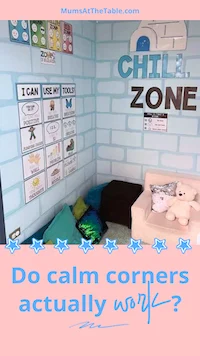
At its core, a calm-down corner is just a safe space where children can go to process their emotions. It’s not a punishment zone and it’s definitely not a “go sit there until you behave” situation. Think of it more like a pause button where they can go to settle, calm down and regain a bit of “control”.
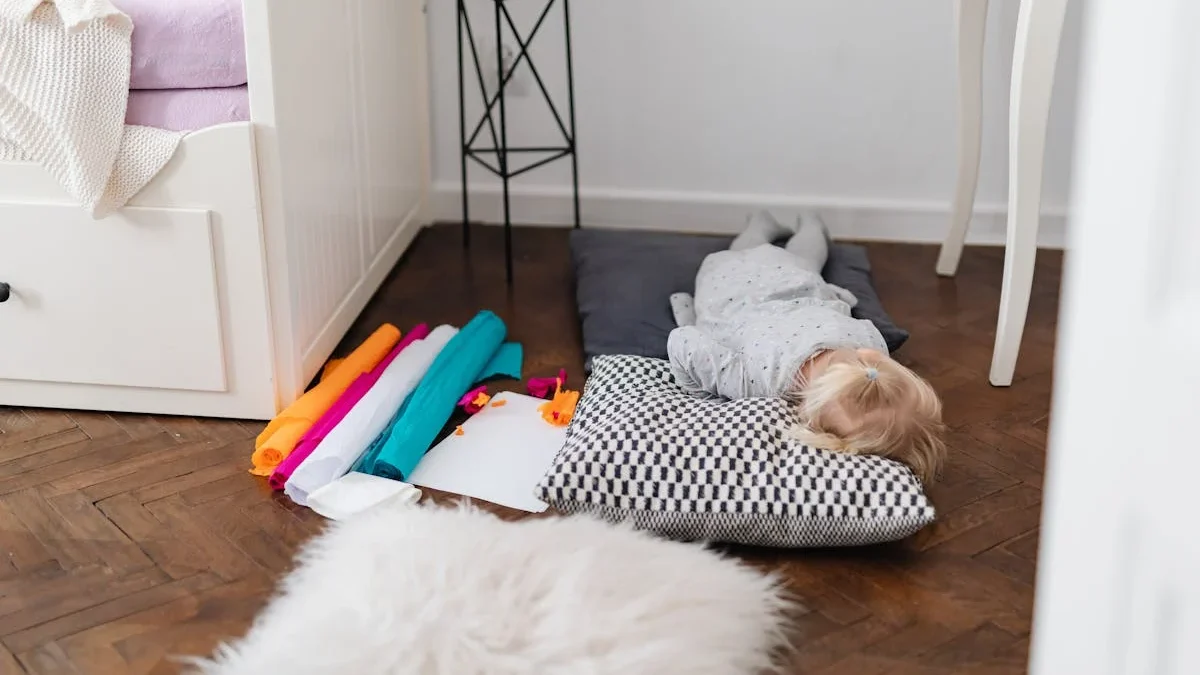
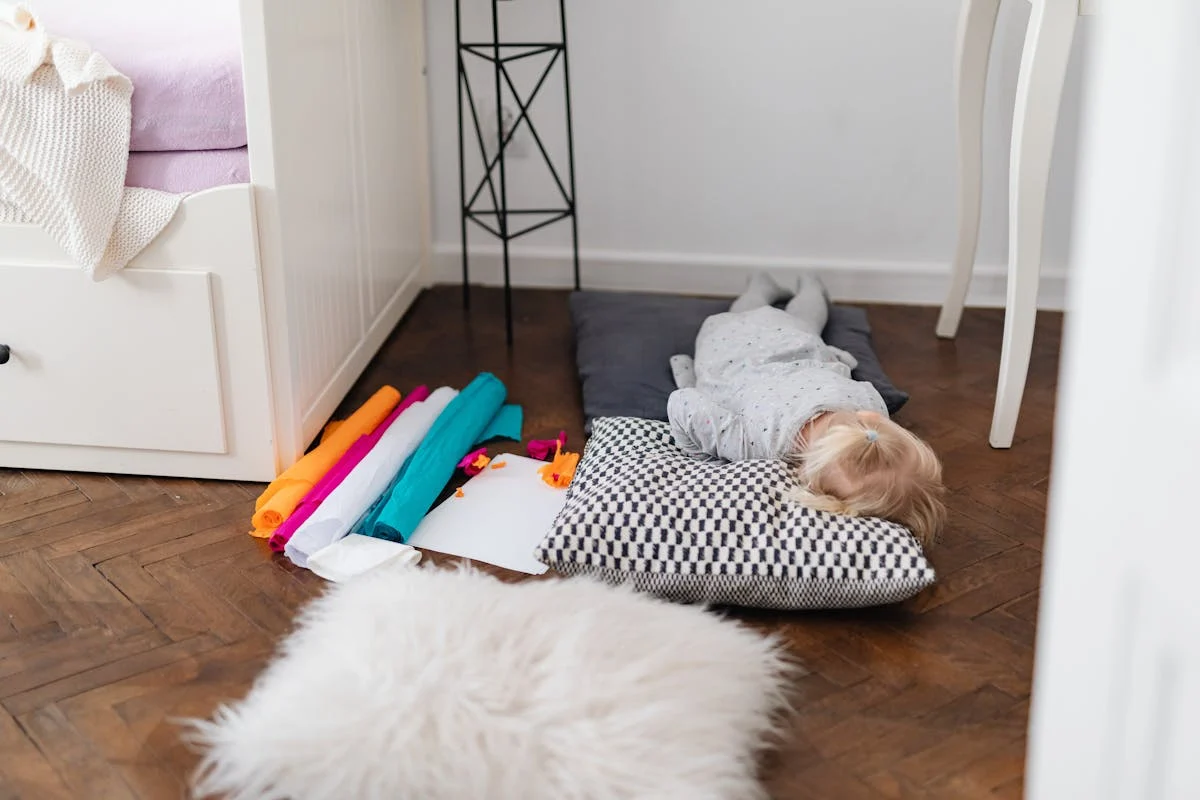
At home, this might be set up in a corner of the living room, a bedroom or even a small nook with cushions and soft items. In a classroom, it might be a designated space with calming strategies and sensory tools that help students manage big feelings without turning the whole room upside down.
What matters most is that the space feels welcoming, not punishing.
Why kids need one
Children feel things deeply. Strong emotions can come on fast and feel enormous in their bodies. A young child does not always have the words to explain frustration, disappointment, embarrassment or stress. Sometimes the only thing that comes out is crying, shouting, throwing or shutting down.
That is not bad behaviour in the way adults often think of it. It is often a sign that the child does not yet have the self-regulation skills to handle what is happening inside them in a healthy way. (Some adults still haven’t learnt it yet either.) As parents, we need to show grace for our little ones who are still learning how to navigate the world of feelings and emotions.
A calm-down corner gives them a chance to slow down. It offers a safe space to move through emotions instead of being swept away by them. Over time, it can help build emotional regulation, confidence and a stronger understanding of feelings.
While not widely studied, some science is emerging about the impact of calm corners, concluding that they are a form of mindfulness, which has been well proven to help with emotional regulation.
In a study with teens, a four-week Calming Corner Therapy program at school showed promising results, improving resilience in most participants and highlighting the need for ongoing school-based mental health support initiatives.
In school settings, implementing response strategies such as calming corners and mindfulness practices helps students manage emotional dysregulation, with evidence showing these approaches are effective and well-received by both students and teachers.
What makes it work?
It’s a good idea to introduce the calm-down corner before a meltdown, not during one. That part matters. If a child only hears about it when they are already in a state of distress, it can feel like another command. But when they are calm, curious and receptive, they can learn what the space is for and how to use it.
It also works best when the space is consistent. Children like predictability. If the calm-down corner changes every day or only appears when adults are frustrated, it loses its power. It becomes much more effective when it is a normal part of home life or classroom life.
Finally, it helps when the tools inside are simple and useful. A few stress balls, sensory bottles, sensory toys, breathing exercises cards or a soft bean bag chair can make a big difference. Some children respond well to calming music. Others love sensory play with playdough or textured objects. There is no single perfect setup.
What to put inside
You do not need to spend a fortune or build something Pinterest-perfect. A calm-down corner can be practical and still feel lovely.
Try a few of these ideas:
- A bean bag chair or floor cushion
- Sensory bottles filled with glitter or water
- Stress balls for squeezing
- Soft sensory toys
- A feelings chart with simple emotion faces
- Books about feelings and calming strategies
- Headphones for calming music
- Paper and pencils for drawing or scribbling
- A blanket or comfort object
If you are setting up a calm-down corner for children at home, keep it easy to access. Don’t let it be used for multiple things: One day it’s the calm corner, the next it’s for dumping all the clean clothes for folding.
What about different ages?
A calm-down corner can work across different age groups, but you’ll want to adjust it.
- Young child (toddlers to early primary): Keep it very simple. Soft toys, basic sensory play items and lots of guidance.
- Kids (primary school age): Add more tools, maybe drawing supplies, calming cards, breathing prompts, something that has proven to make them calm or happy before, like their favourite blanket, book or toy.
- Older students: They may not call it a “calm-down corner” but having a quiet space still helps. Even just stepping away for a few minutes can reset their emotions.
The real-life version
Let’s be honest, children do not usually walk into a calm-down corner, breathe deeply and instantly become serene little angels.
More often, they resist it. They might refuse to go, say the space is stupid or scream louder. That does not mean it is not working. It usually means they are still learning.
The goal is not instant silence. The goal is repeated exposure to a safe place that helps them practise calming down with support. Over time, they start to connect the corner with relief rather than punishment. That is when it becomes useful.
A simple example: A child is furious because screen time ended. Instead of sending them away harshly, you might say, “I can see this feels really big. Let’s go to the calm-down corner and get your body settled first.” Then you stay close, collected and model what calm can look like.
It may not solve the problem right away, but it gives the child a pathway through the emotions.
Remember, a calm corner is never a substitute for connection, hugs, repair or boundaries with your child. Your child needs you to connect with them, reassure them and offer them attention, understanding and guidance as they go through the waves of emotions. Just sending them away without the connection can feel like they’re being left and abandoned to suffer through the feelings.
What it does not do
A calm-down corner does not erase tantrums. It does not guarantee immediate cooperation. It does not turn every child into a calm and thoughtful communicator overnight.
What it does do is create a repeated experience of safety and recovery. That matters more than people sometimes realise. Children remember what happens when they are upset. If they are only met with pressure, they can become even more dysregulated. If they are met with a safe place and steady support, they can gradually learn that big feelings are manageable.
Calm-down corners: Frequently asked questions (FAQs)
Q: Do calm-down corners really work?
Yes, they can work very well when used consistently, introduced gently and treated as a safe place rather than as punishment.
Q: At what age is it best to start?
A calm-down corner can be introduced from a young age, as long as it is simple and developmentally appropriate.
Q: What if my child refuses to use it?
That is normal at first. Keep offering it calmly, model how to use it and avoid turning it into a battle.
Q: Should it be in the bedroom or living room?
Wherever it is easiest to access and feels most calm. Many families use the living room, while some children prefer a quieter bedroom space.
Q: What are the best tools to include?
Stress balls, sensory bottles, sensory toys, calming music, books about feelings and simple breathing exercises are all good starting points.
Read next: What it really means when your child acts out